The Subsidy State: When Price Controls Become Currency Policy
Key Takeaways
- Subsidies create a currency problem: cheap administered prices can expand import demand, turning FX into the hidden cost.
- The paradox is common: states protect “strategic” sectors while importing essentials they cannot supply at scale.
- Reform fails when it is theatrical: removal without buffers shifts pain from prices to politics—and back again.
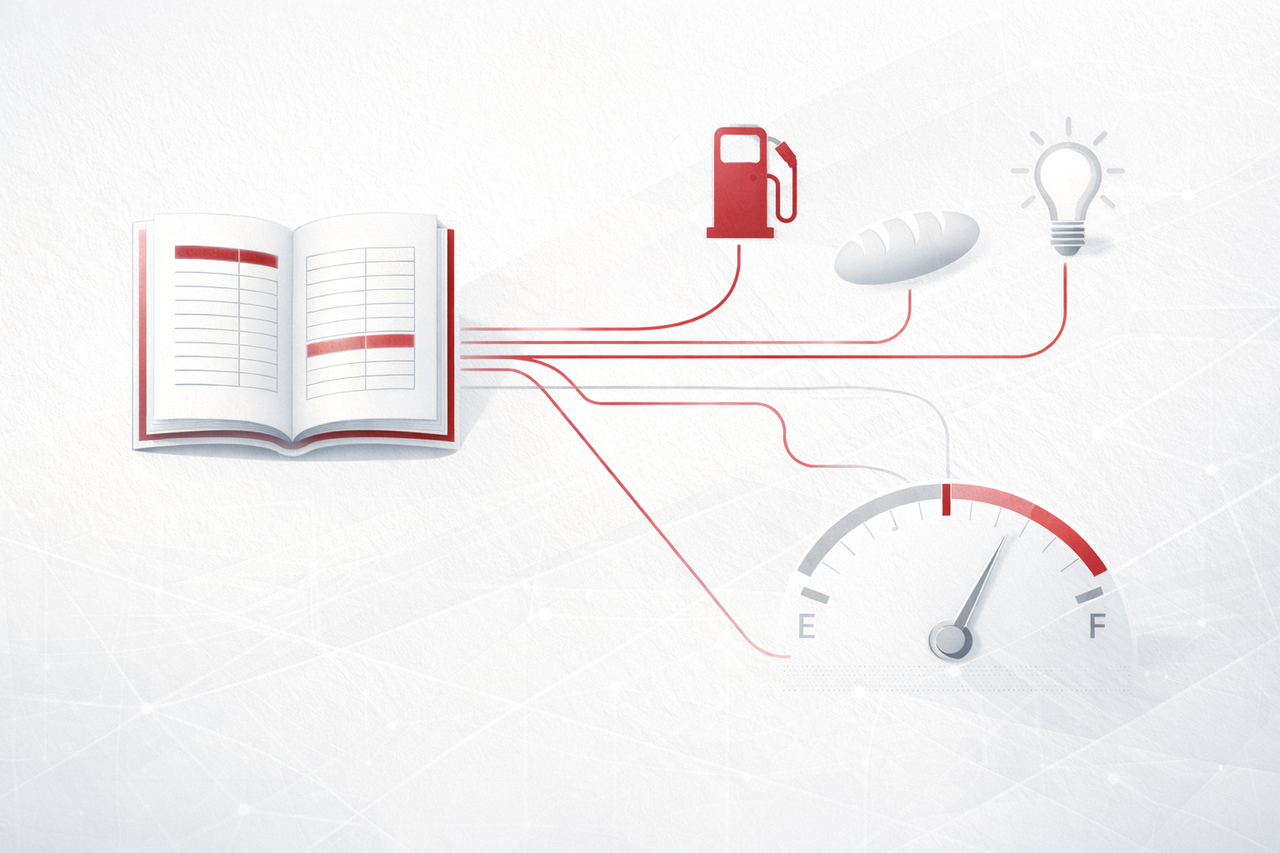
Subsidies rarely begin as corruption. They begin as a political solution to a real problem: a country cannot tolerate food and fuel prices that move with global markets, because wages and safety nets do not move fast enough. So the state steps in. It freezes prices, caps margins, underwrites inputs, and promises stability.
Over time, however, the “temporary” fix becomes architecture. Business models form around it. Import channels learn to monetise it. Ministries defend programmes because removing them would trigger backlash. And central banks quietly absorb the macro consequences through FX management, reserve drawdowns, tighter liquidity, or—when the mismatch persists—depreciation.
This is the subsidy state: not a single policy, but a fiscal–political equilibrium. It appears in fuel regimes, in food-price stabilisation systems, and in small import-dependent economies such as Mauritius where a narrow FX base collides with a consumption basket priced offshore. Different countries, same mechanics: the state keeps visible prices calm while the currency pays the bill.
Producing the Symbol, Importing the Staple
Mauritius shows the pattern with unusual clarity. A recognised sugar producer can still end up importing sugar for domestic consumption. The effect is not merely ironic. It is structural: public support can preserve an export-facing ecosystem while household consumption remains tied to imported supply chains that carry shipping costs, VAT, and exchange-rate pass-through.
That paradox is repeated across the Global South. Oil producers import refined fuel. Agricultural economies protect cash crops while importing grains, proteins, dairy, animal feed, and fertiliser. States defend the sector that carries history and lobbying power, while the consumption basket becomes increasingly offshore-priced. In macro terms, the country subsidises a story, then pays for dinner in foreign currency.
Subsidies as a Substitute Welfare State
Subsidies persist because, in many countries, they are the most visible form of social protection. Where informality is high, wages do not adjust smoothly, and formal safety nets are thin, price spikes become immediately political. A fuel hike is not “energy policy”. It is transport costs, food distribution costs, and instant inflation psychology.
This is the trap: the more a state uses subsidies to stabilise life, the more households structure survival around those administered prices. Removal then becomes a legitimacy test. Governments know the fiscal arithmetic. They also know the protest arithmetic. That is why reform so often arrives late, under pressure, and with inadequate buffers.
When Price Controls Become FX Demand
In import-dependent systems, subsidies are not only fiscal. They are external. A cheap administered price can increase consumption. Higher consumption increases import volume. Higher import volume increases demand for dollars, euros, pounds, and shipping finance.
Where FX supply is narrow—tourism cycles, one commodity, remittances, episodic capital inflows—the subsidy state becomes a permanent claim on scarce foreign currency. Central banks can ration FX, intervene with reserves, or let the currency slide. Whatever the choice, the adjustment lands somewhere. Often it lands quietly through devaluation and the slow erosion of purchasing power.
Crude Exporter, Refining Importer, Subsidy Addict
Nigeria illustrates the logic at scale. Exporting crude while importing refined products makes domestic fuel prices politically explosive. Subsidies become the instrument for preventing global volatility from detonating domestic politics.
But the wedge created by a subsidy invites leakage: smuggling, diversion, inflated claims, and discretionary allocation. The fiscal bill grows. The FX bill grows. Confidence weakens. Then reform attempts trigger backlash because fuel prices transmit into everything—transport, food, and the perceived competence of the state.
Rents, Discretion, and the Subsidy Economy
Subsidy systems generate rents even when introduced in good faith. Any price below market creates an arbitrage wedge. That wedge invites diversion. If governance is discretionary and data is opaque, citizens are rational to suspect leakage—because leakage is structurally likely.
Colonial legacy matters here in a non-mystical way. Many post-colonial states inherited control systems—licences, permits, administered allocation—without replacing them with high-trust, rule-based delivery. Subsidies then become modern discretionary governance: a state that controls the price also controls the gate.
Reform Without Riot
Subsidy reform fails when treated as a spreadsheet exercise. It succeeds only when treated as stability redesign.
Targeted protection: lifeline tariffs, cash transfers, and digital vouchers protect households without subsidising the entire system.
Publish the truth: contracts, volumes, beneficiary logic, and leakage estimates reduce rent space and improve public tolerance.
Sequence the transition: buffers must work before prices move, not after protests.
Reduce the structural import bill: without domestic capability and supply-chain investment, FX pressure returns regardless of subsidy design.
Closing insight: the subsidy state is not defeated by courage alone. It is defeated by competence—data, targeting, and an economy that no longer requires permanent price illusions to remain governable.
| Pattern | What it looks like | Why it persists | Macro consequence |
|---|---|---|---|
| Cheap essentials | Fuel/food held below true cost | Political stability; weak wage buffers | Import growth; FX pressure; fiscal drift |
| Legacy protection | Old ecosystems survive beyond productivity logic | Lobbies, history, regional employment | Misallocation; weak resilience |
| Discretionary allocation | Licences/quotas/privileged access | Control is politically valuable | Leakage, rent extraction |
| Currency absorbs | Central bank smooths the mismatch | No alternative buffers | Slow devaluation; chronic squeeze |
- IMF Article IV diagnostics (subsidy reform trade-offs, inflation pass-through, FX stress).
- World Bank indicators (import dependence, household expenditure weights, macro series where used).
- IEA / IMF subsidy measurement frameworks (methodology and definitions).
- National budgets and central bank reports (country-specific pricing regimes, fiscal costs, reserves, interventions).