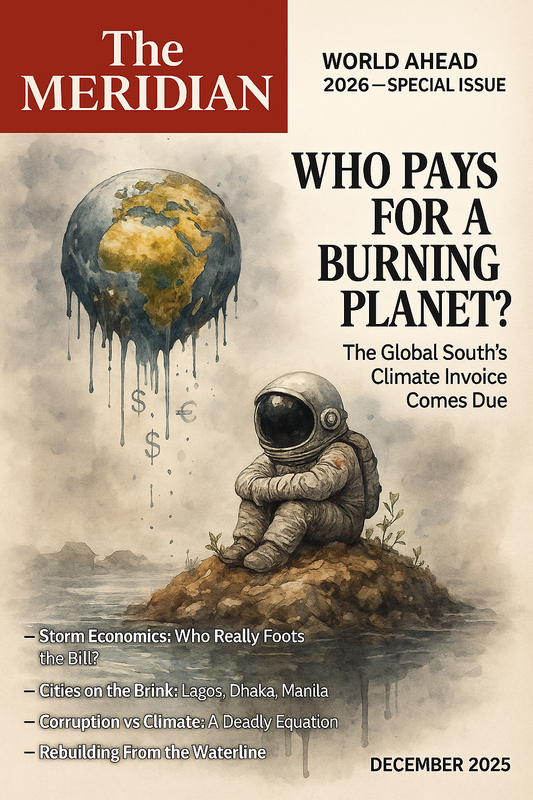
Cover Story · Global
Who Pays for a Burning Planet?
Loss & damage, adaptation finance and the subsidy math behind climate bills — who pays, when, and on what terms.
Loss & damage, adaptation finance and the subsidy math behind climate bills — who pays, when, and on what terms.
Default windows, IMF corridors, commodity pinch points and the geographies where shocks concentrate.
What we’re testing in the World Ahead edition: scope, methods, and where readers should push back.
A 2-minute orientation to the edition: what’s inside, how to use the watchlist, and where our methods matter most.
Read the brief →
Risk tiers, trigger windows, scoring logic and how to read confidence bands without over-fitting headlines.
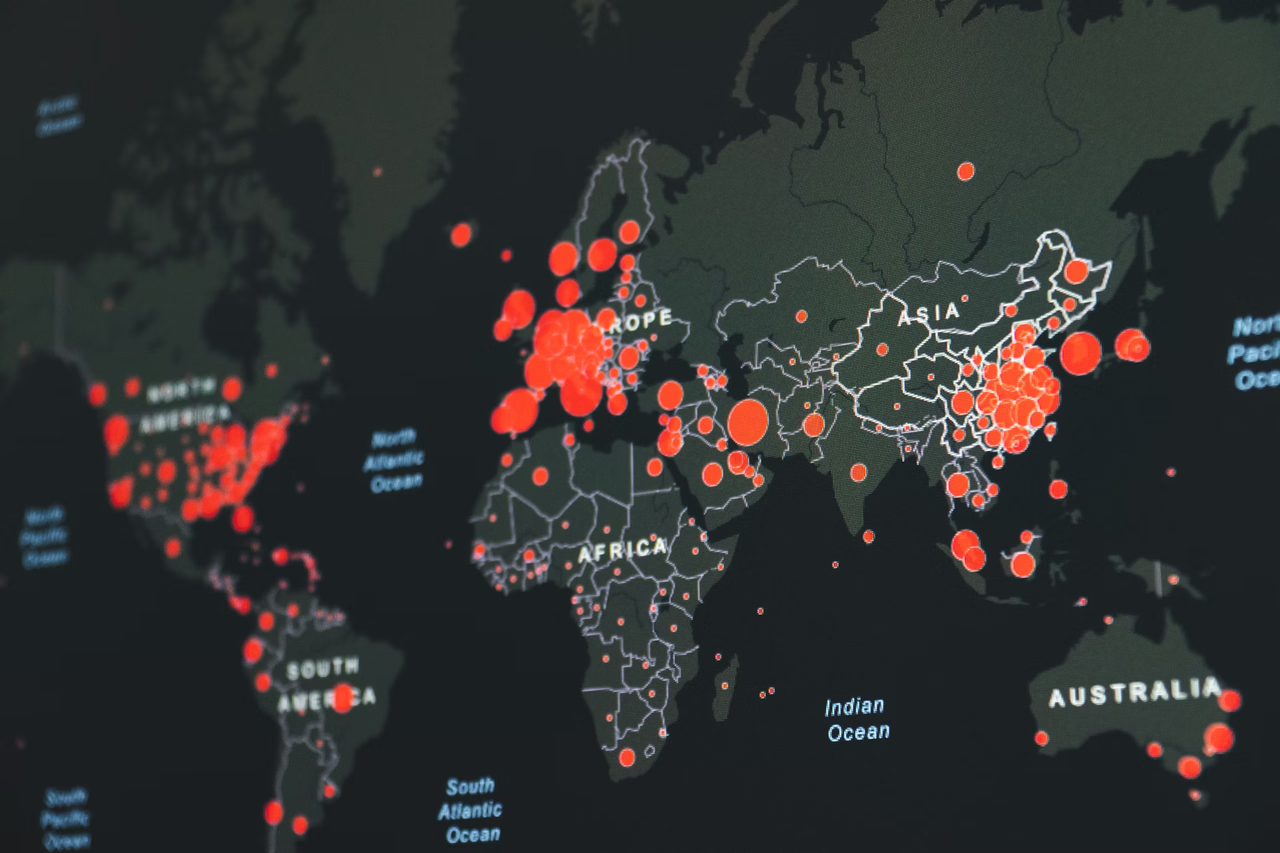
Population, energy, trade, debt and capital flows — the 2026 dashboard in 20 charts.

Our calls for 2026, what would falsify them, and the data that would change our minds.
From sources to series: how we build risk, power and progress metrics you can reproduce.
Feature engineering, back-tests, audits and where human judgement still beats the models.

Fifty+ countries, eight structural cracks, and the catalysts we think matter most in 2026.
Restructuring paths, common frameworks, domestic investors — and where the next crunch may land.
Quasi-fiscal operations, SOEs and guarantees: the liabilities that don’t sit in the budget — but still bite.
Where the Fund is active, what’s in the letters of intent, and the politics that decide follow-through.
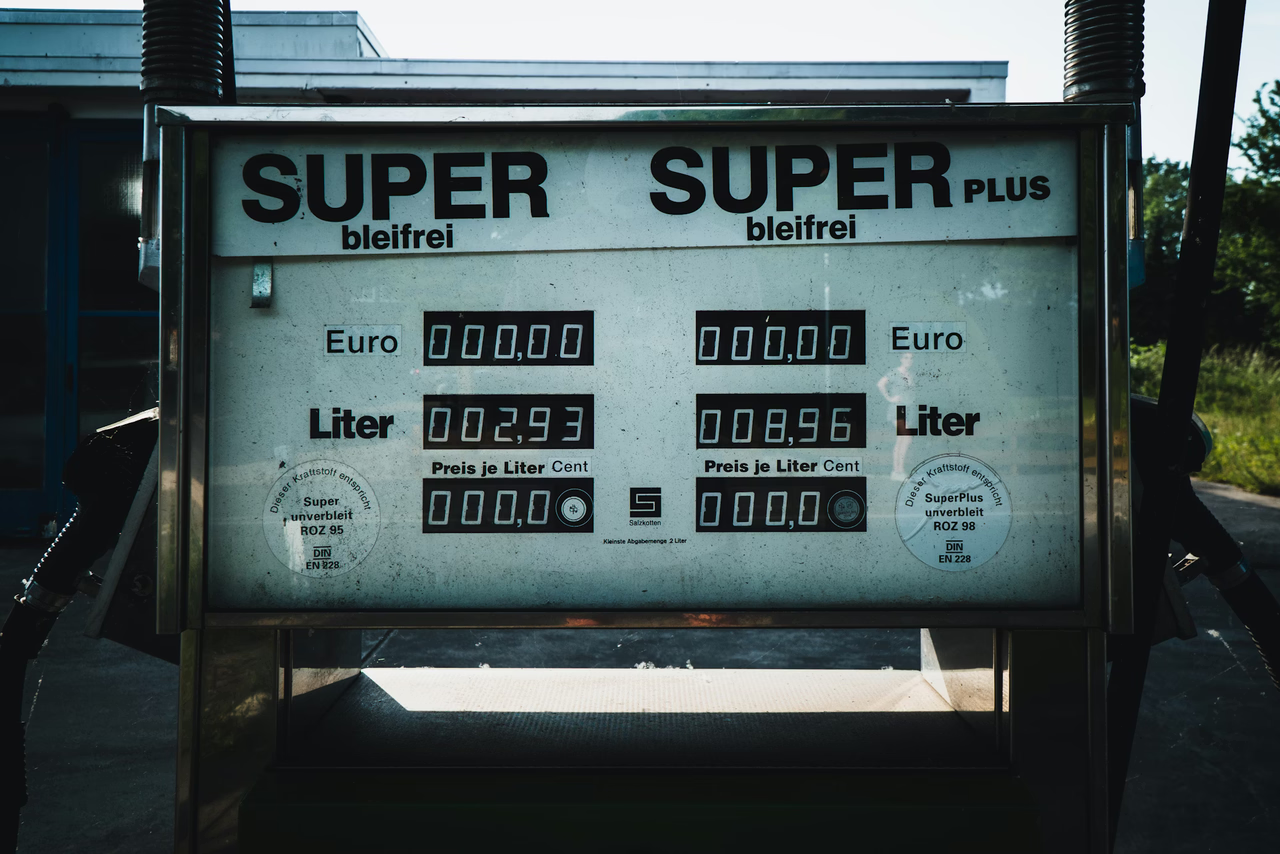
Fuel, food and power subsidies — who benefits, who pays, and why removal is harder than it looks.
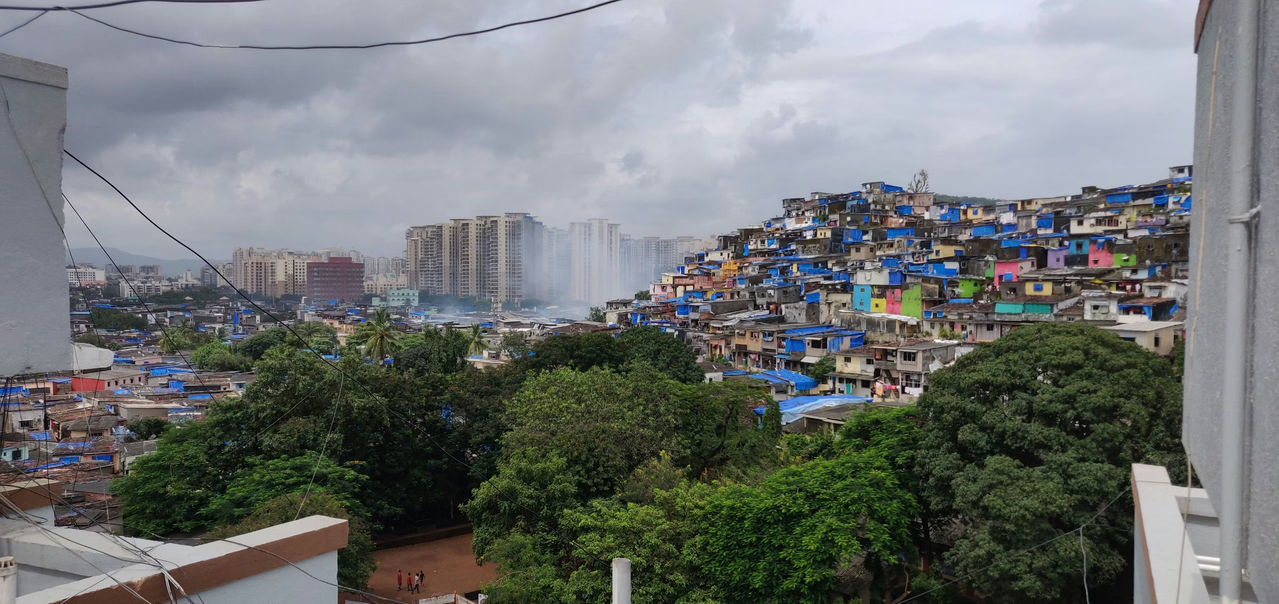
Learning losses, health gaps and stalled firm formation — the growth drag nobody prices properly.
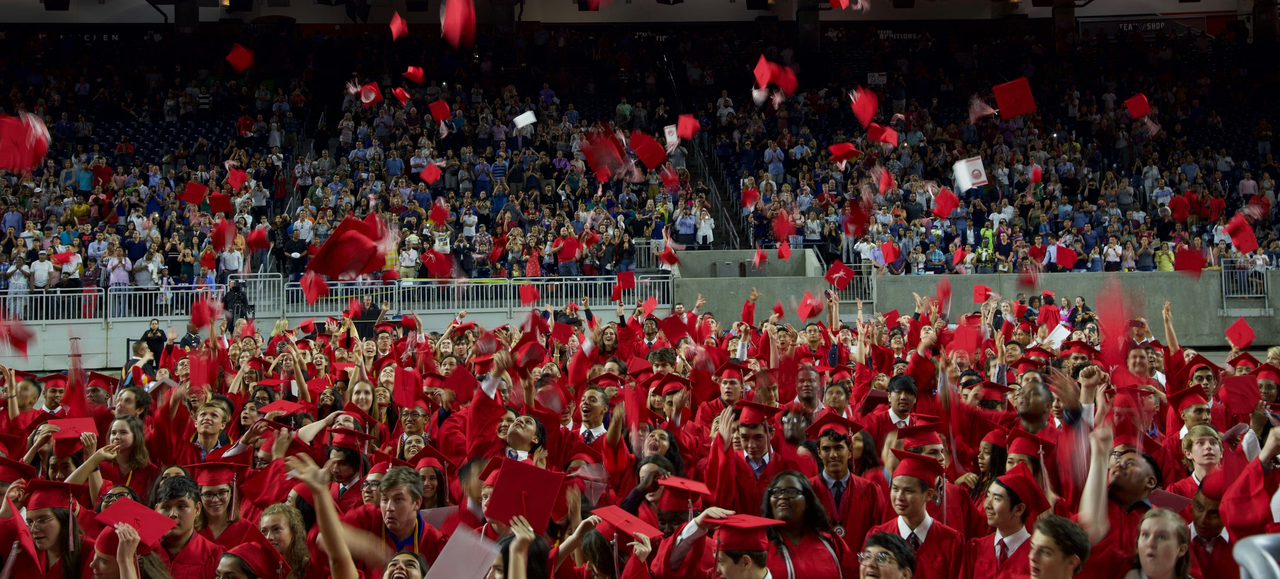
High enrolment, low learning: why credential inflation isn’t human-capital growth.
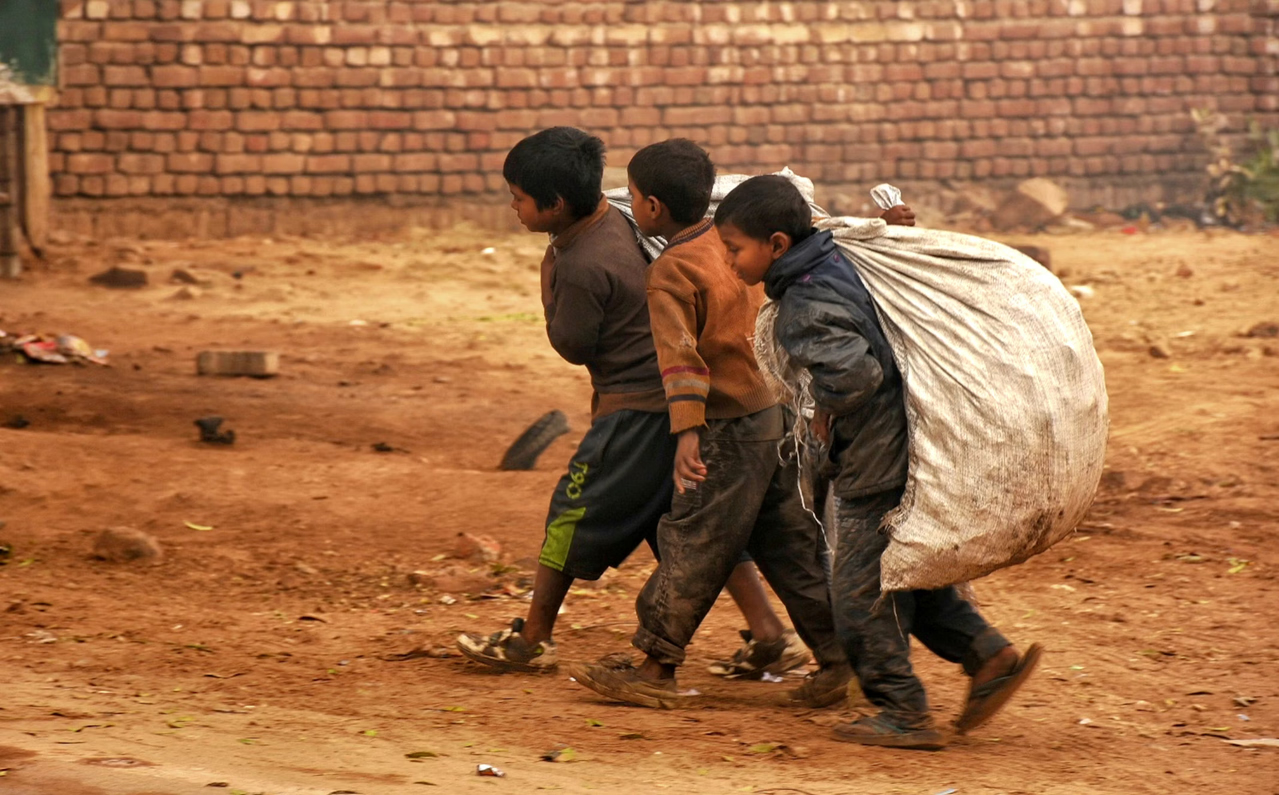
Jobs, debt and disappointment: what prolonged youth underemployment does to societies.
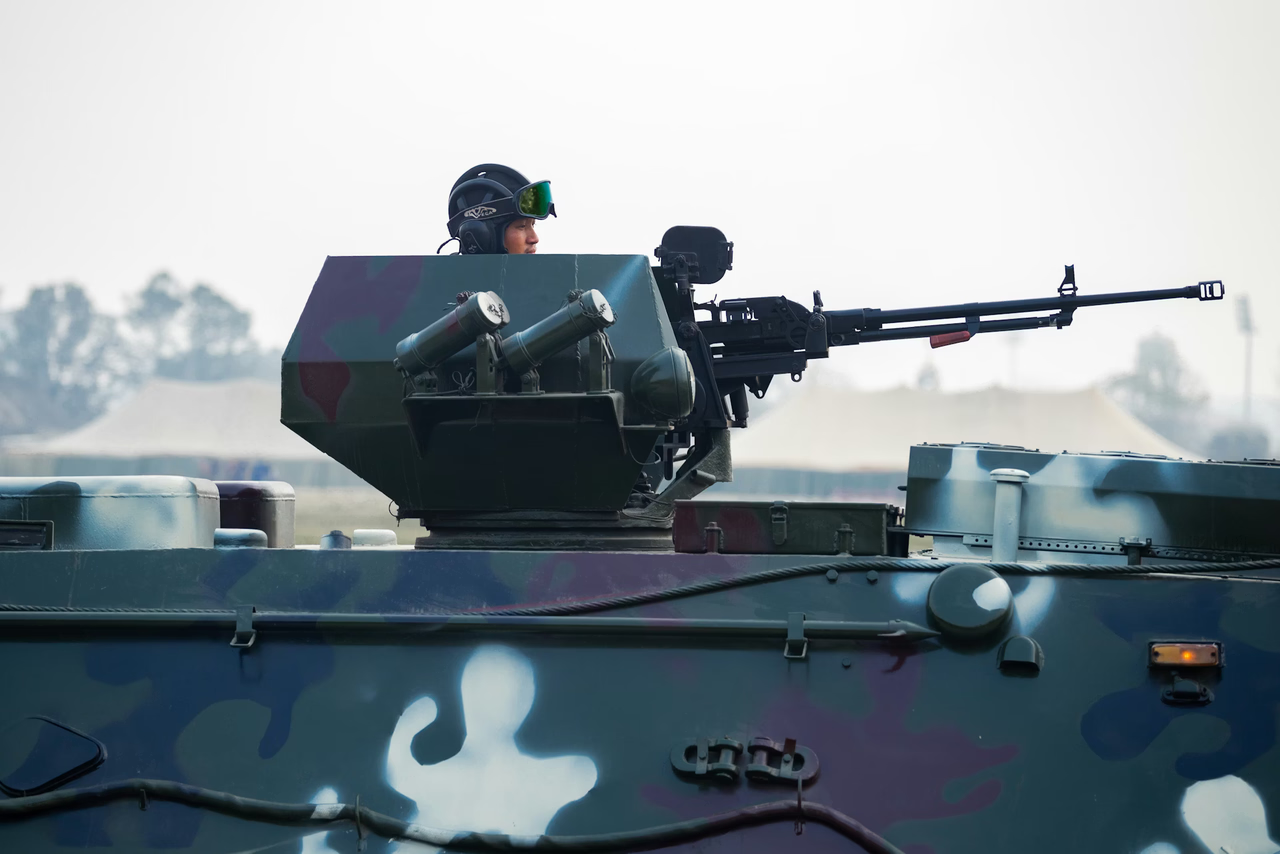
Budgets as moral documents: when security spending crowds out clinics, vaccines and nurses.

PPP, philanthropy and state capacity — the real bottlenecks behind beds and bricks.

The low-wage growth model is breaking: capital intensity, skills, and firm churn are lagging.
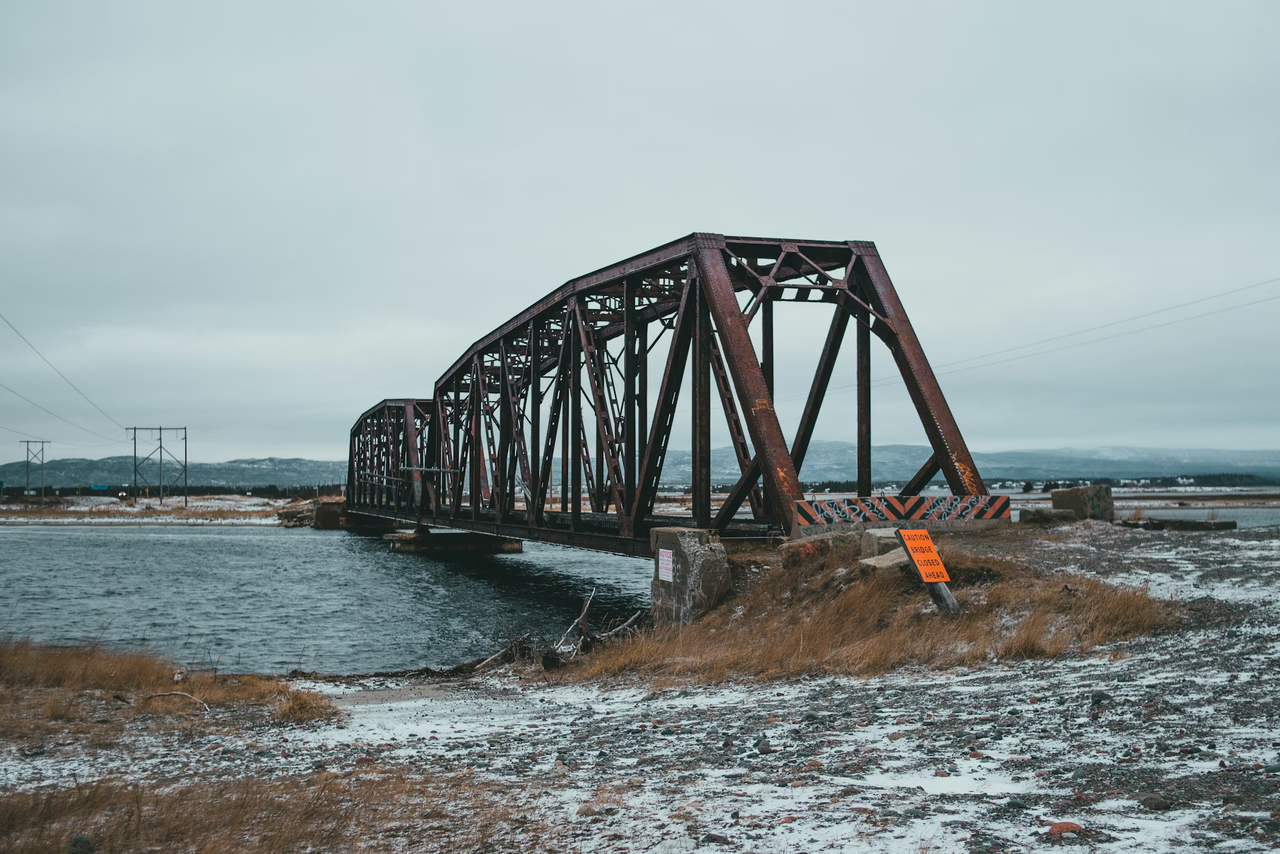
When borrowing lifts interest bills but not output — and how countries get stuck in the middle.

Sequencing, coalitions and patronage: the political economy behind stalled transitions.
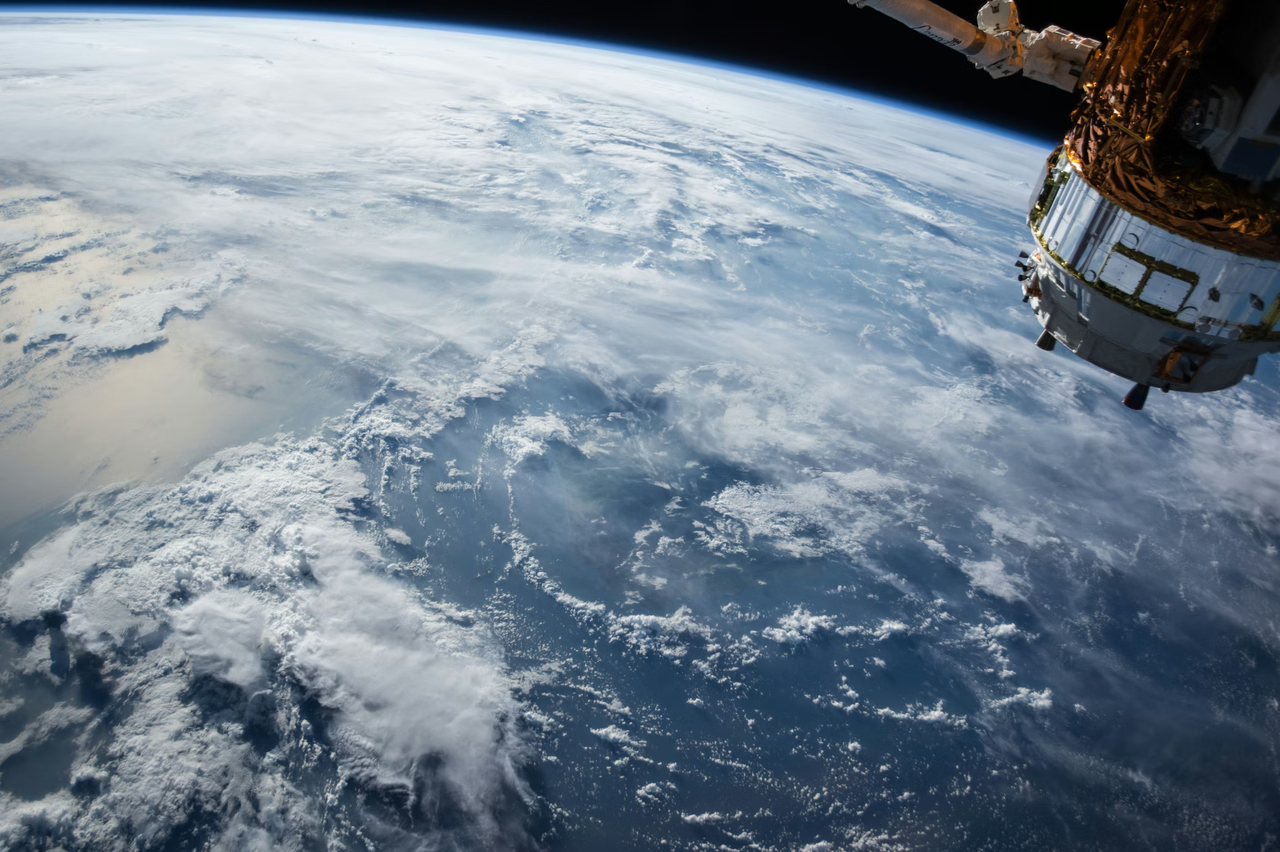
Rates, spreads and flows in a three-speed world — what matters for borrowers and savers.
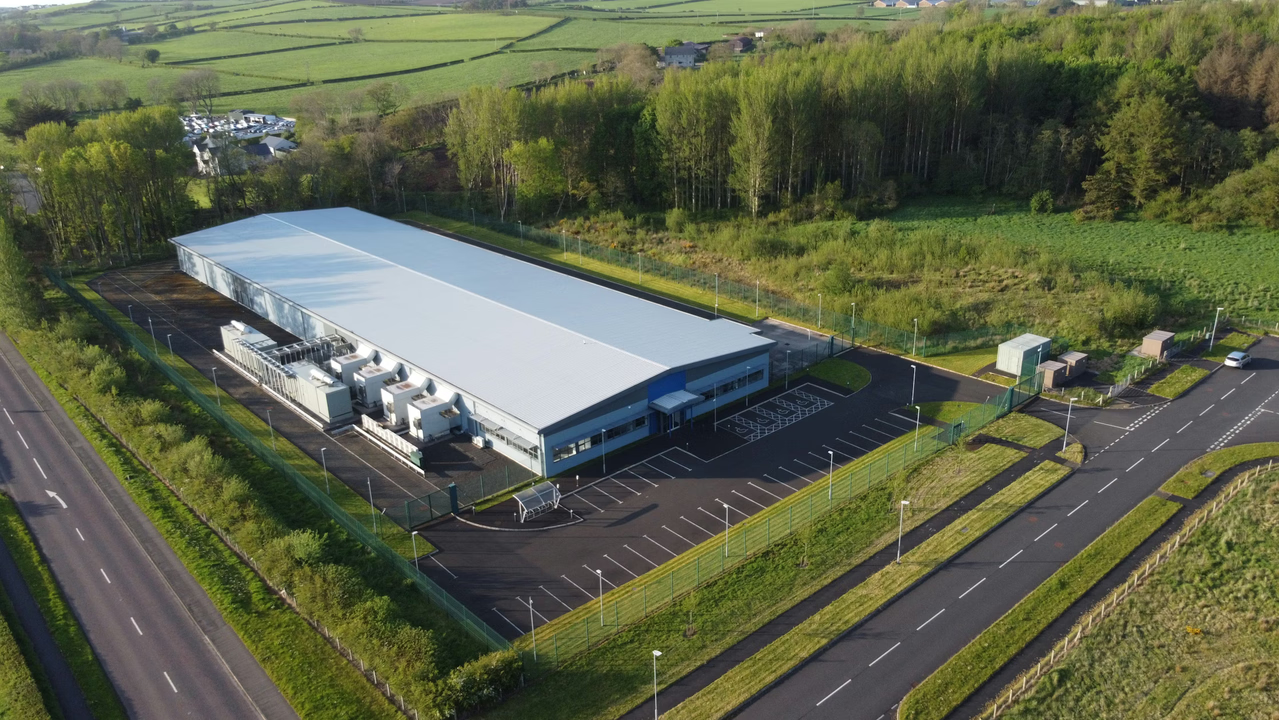
Compute, chips and capital — where AI power pools and who captures the value chain.

Aging, urbanisation and mobility — the labour arithmetic shaping growth and politics.
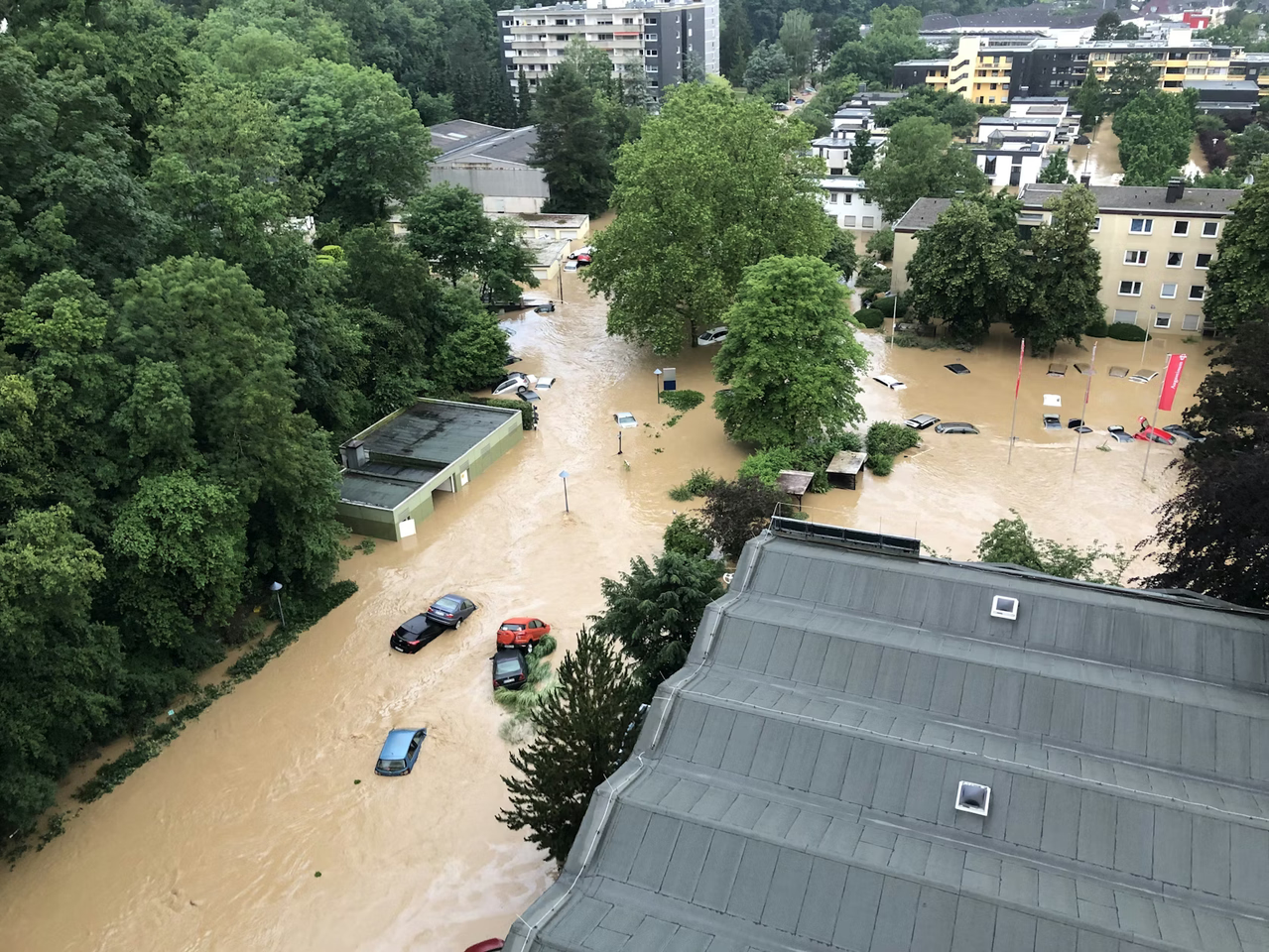
Heat belts, hydrology stress and the budgets that need to shift fastest.
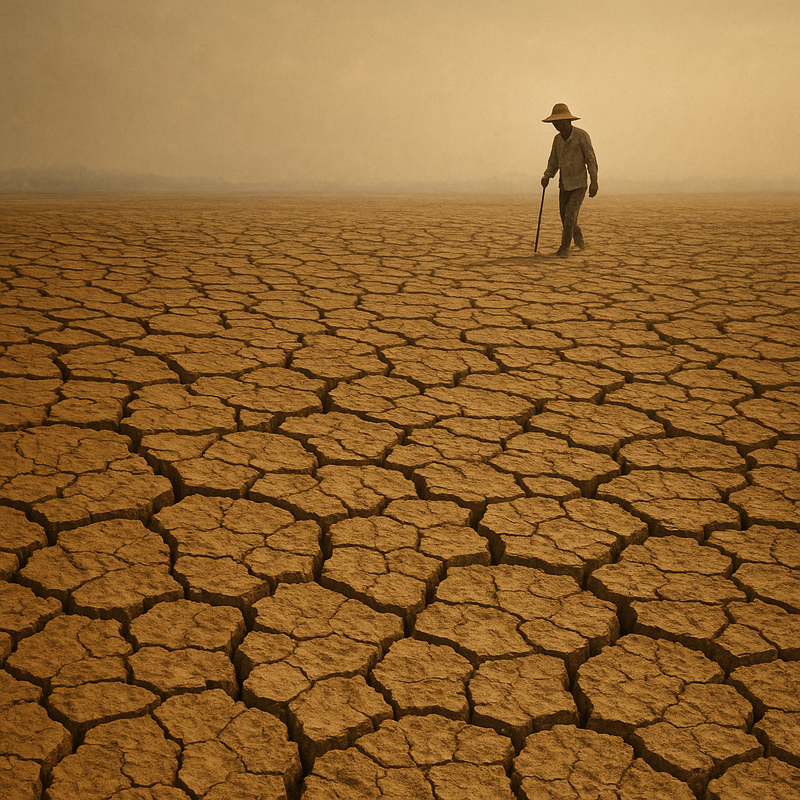
Fertiliser, freight and FX: how food risk stacks up across net importers.
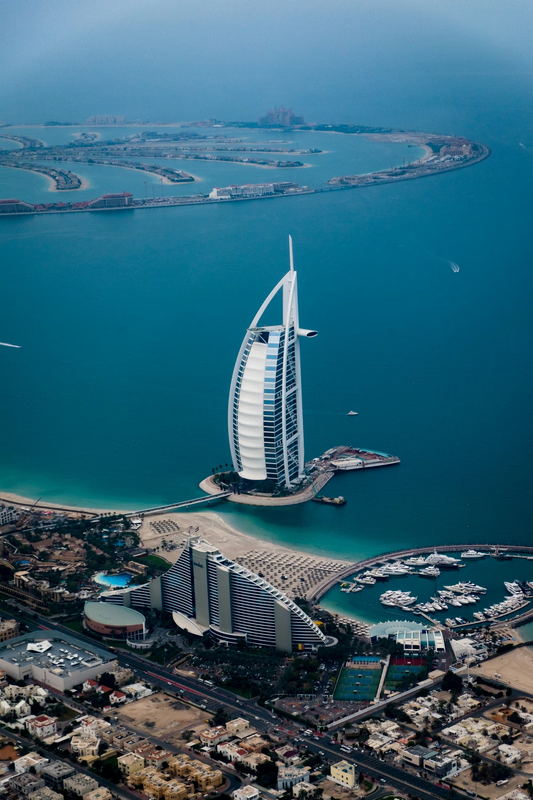
Who builds the roads, metros and grids — and why delivery beats big plans.
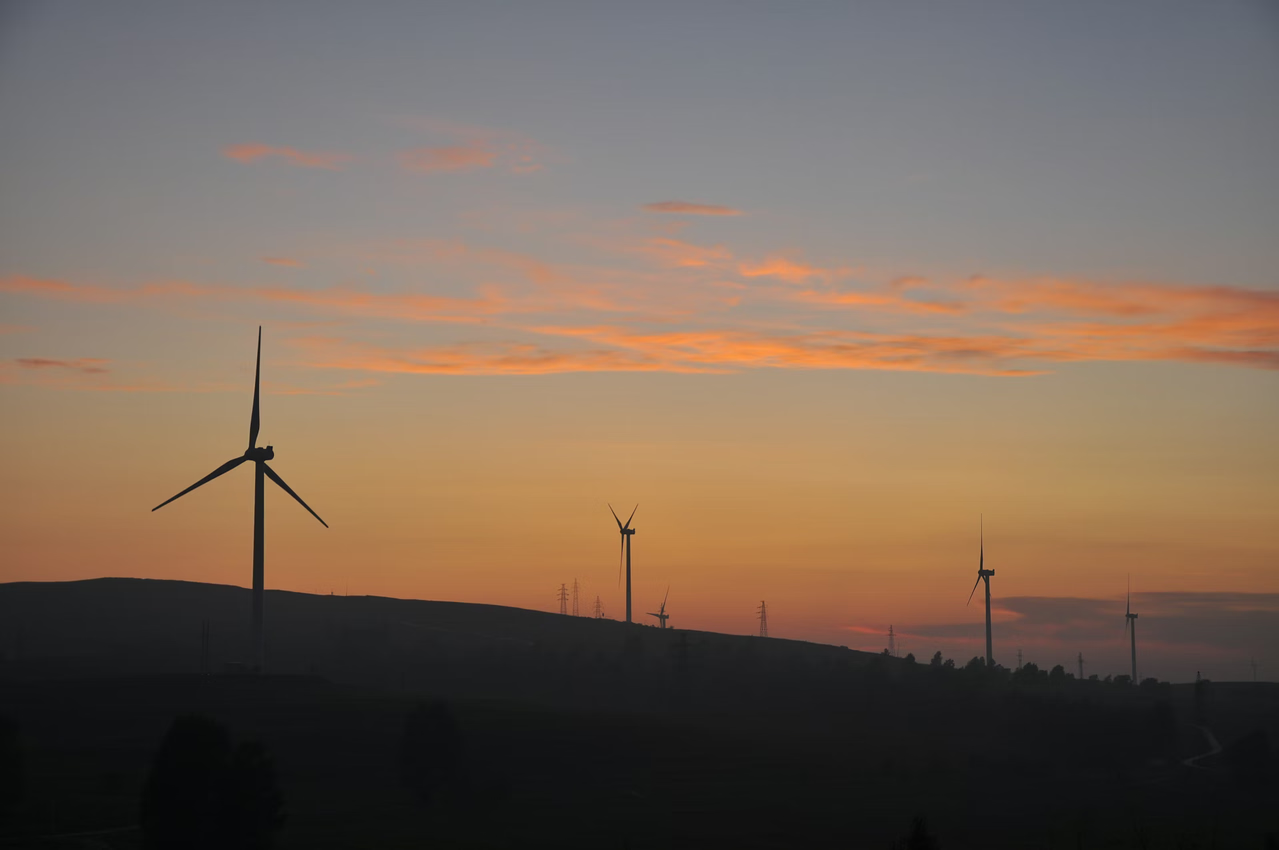
Renewables, grids and minerals — bottlenecks to scale and the policies that unlock them.

Oil, gas and metals in a volatile cycle — demand, supply and policy wild cards.

Conflict risk, commodity leverage and the power shifts to watch across the Global South.
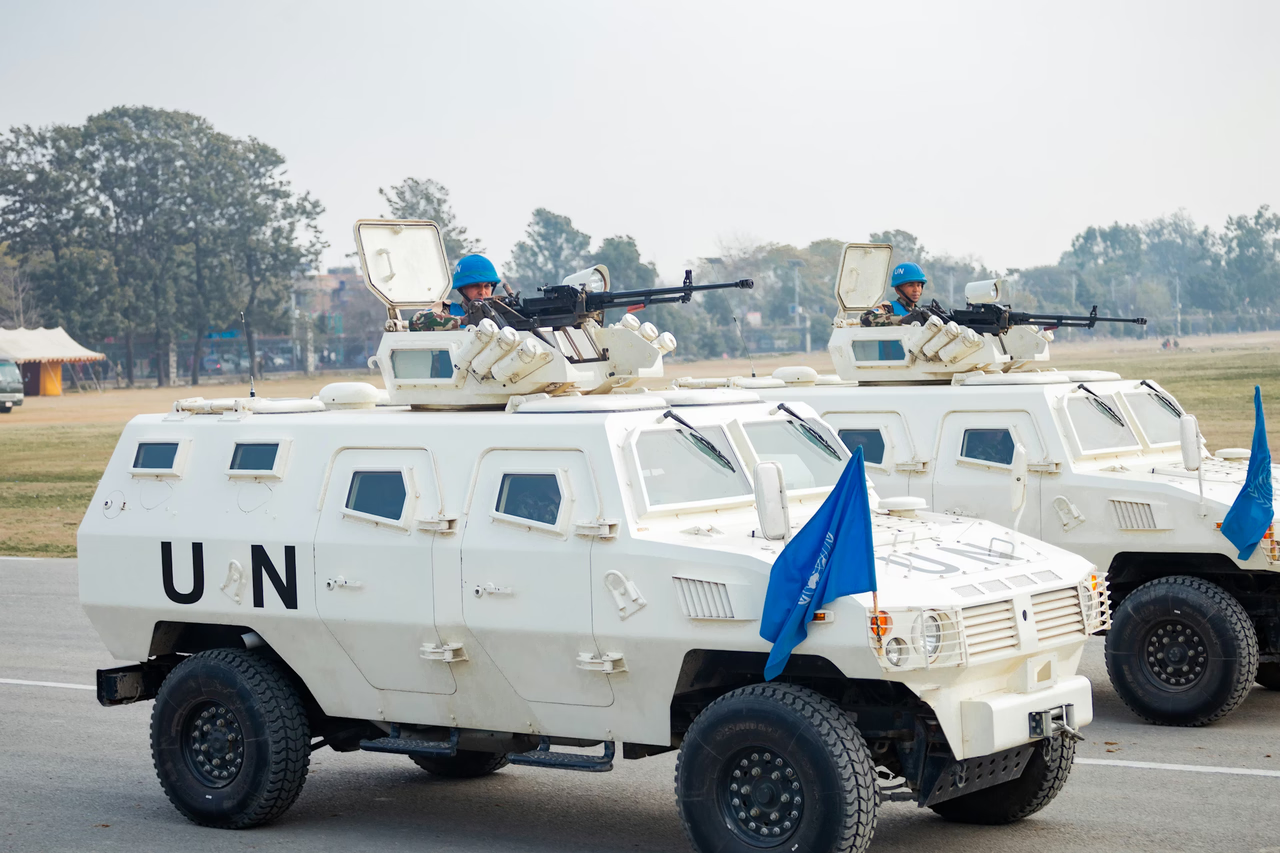
Eight cracks that define 2026: trade, tech, finance, food, energy, climate, borders, blocs.
Where risks are baked into the architecture — and what could still shift.
Power, growth and fragility cluster — a map of where 2026 is likely to happen.
Currency shocks, banking fragility and South–South capital — where cracks could widen.
Where gains are real, where they’re fragile, and how we measure progress honestly.

Elections, debt rollovers, summits and sport — the dates that move markets and policy.