A New Year for the Global South
The adjustment year begins. From Mauritius to Iran, Bangladesh to the Andes, 2026 forces hard choices on currencies, subsidies and the politics of tightening.
Read the full letter →
The adjustment year begins. From Mauritius to Iran, Bangladesh to the Andes, 2026 forces hard choices on currencies, subsidies and the politics of tightening.
Read the full letter →
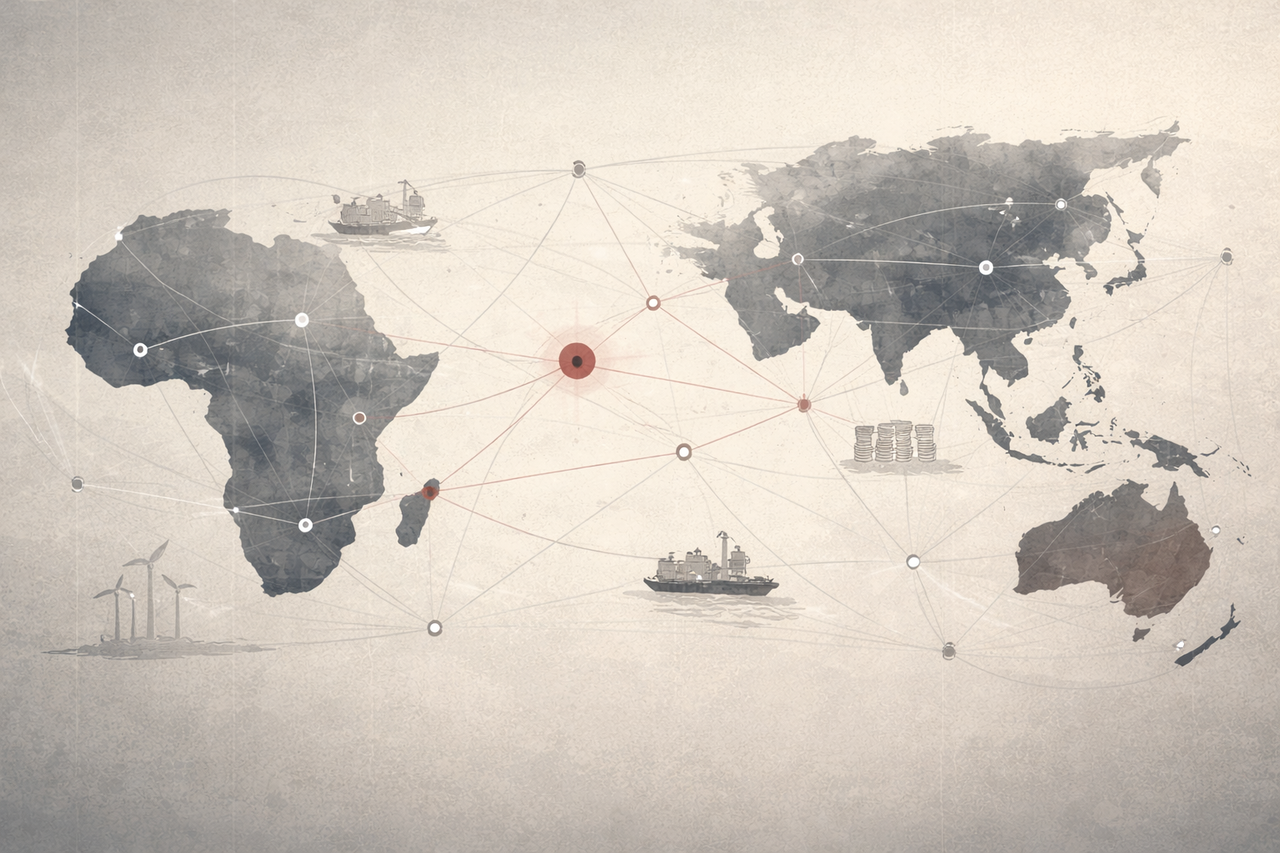
How emerging economies interact, co-depend, and create their own circuits of risk and opportunity beyond the North.

Our proprietary metrics for tracking debt stress, governance quality, climate exposure and human capital across 46 countries.

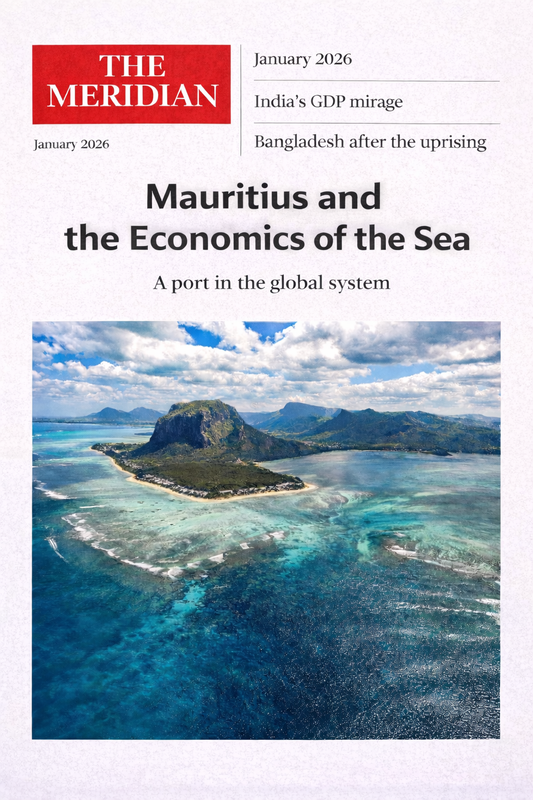
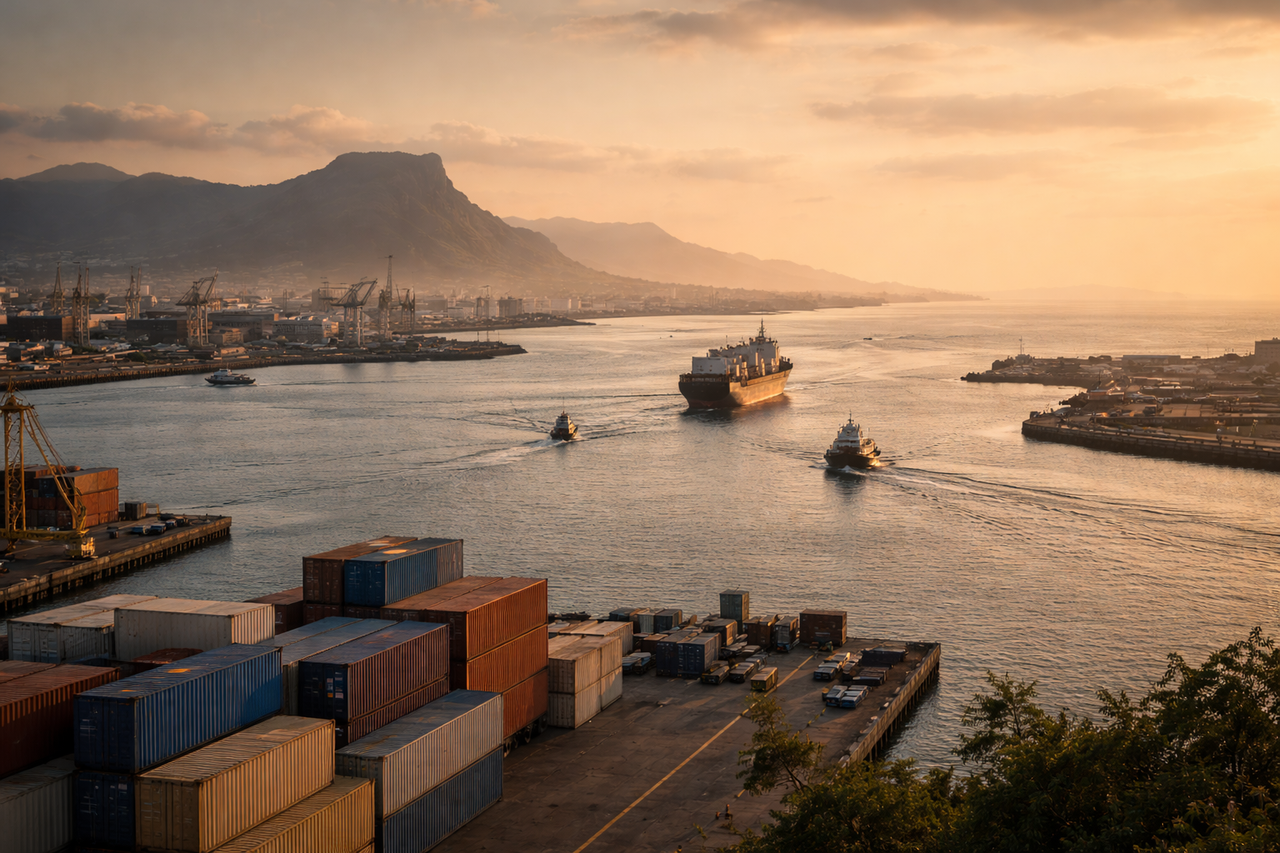
Island nations, ocean territories, and the untapped power of maritime wealth navigating fiscal fragility and climate risk.
A top-four economy with bottom-tier systems. Why headline growth masks deeper structural challenges in employment and productivity.
Inflation dynamics, sanctions architecture, and the economics of isolation as the currency collapses to record lows.

Post-revolution economic recalibration and the garment sector's uncertain future amid factory closures and political transition.
Elections, incumbency risk, and the democratic stress tests across the continent in a year of economic pressure.

How corporate power and state capacity blur in emerging economies, and what it means for accountability and reform.
Keeping systems running takes precedence over reform. Why crisis management crowds out strategic planning in stretched states.
Elections without choice, institutions without independence. How authoritarian stability sells itself as pragmatic governance.
Culture, investment and diplomatic capital. How the Global South deploys influence beyond military might.

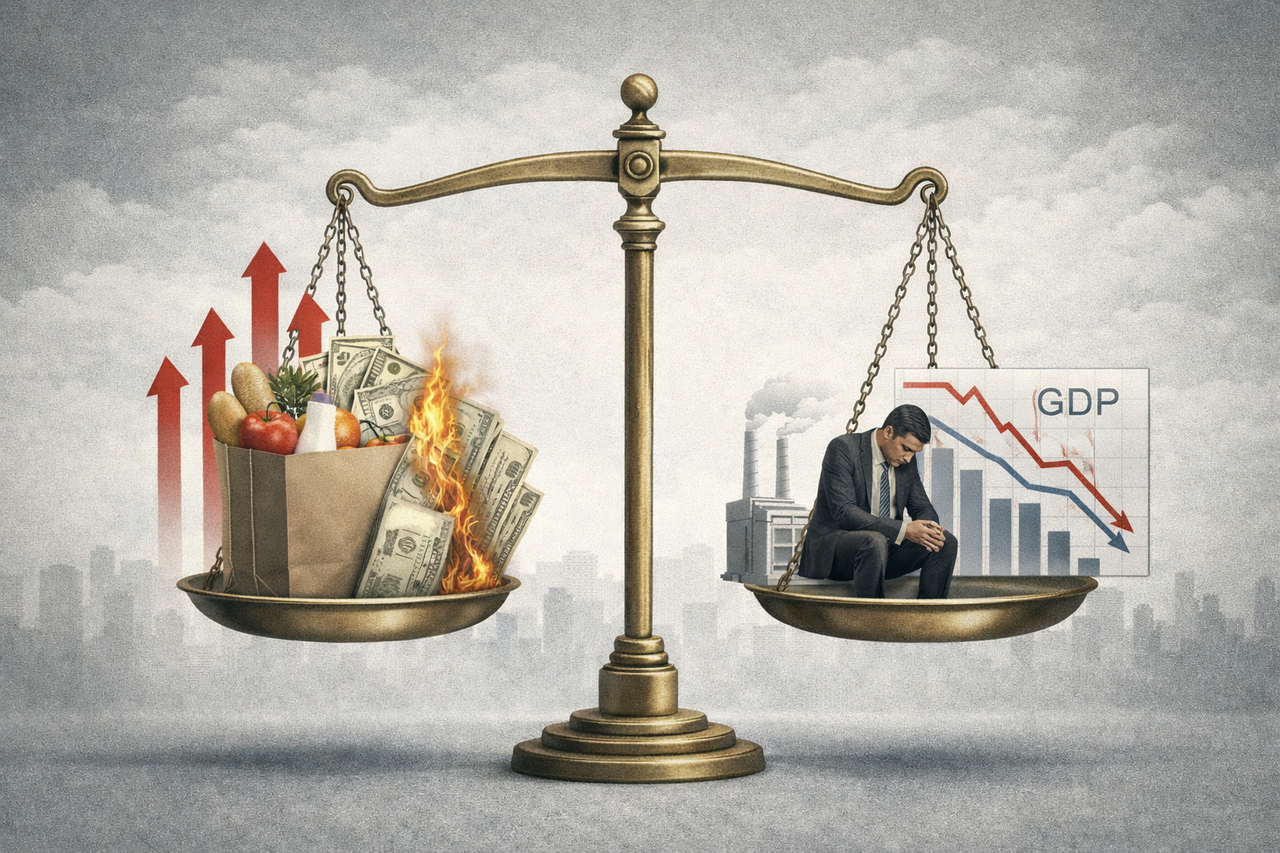
Slow growth meets persistent inflation. The policy dilemma facing central banks across emerging markets in 2026.
When every country borrows and no one defaults cleanly. Debt sustainability in a world of high rates and low growth.
$1.5 trillion in sovereign and quasi-sovereign debt comes due. Who refinances, who restructures, who defaults.
Central banks pivot toward easing. But inflation persistence and currency fragility complicate the descent.
De-dollarization through trade invoicing, reserves diversification, and bilateral swap lines. Gradual, not dramatic.
Local pension funds, insurance pools, and retail investors increasingly finance their own governments and firms.
Nigeria, Kenya, South Africa pivot as inflation moderates. But currency weakness and fiscal strain limit room to ease.

When governments pressure central banks to finance deficits, monetary credibility erodes and currencies pay the price.

Mexico, Vietnam, India compete for factory relocation. But infrastructure, skills, and policy consistency determine winners.

State utilities, independent power producers, and the private capital filling energy gaps across emerging markets.
Namibia, Chile, and India's industrial gamble. Can they scale production before markets mature?
AI reshapes skills demand faster than schools adapt. What happens to workers trained for jobs that no longer exist?
Commutes, queues, bureaucracy. How time poverty undermines productivity and growth in emerging economies.

When elections fail to deliver change, people vote with their feet. Migration as political statement and economic safety valve.
How unrecorded economies stabilise the Global South through flexibility, resilience, and social safety nets the state can't provide.

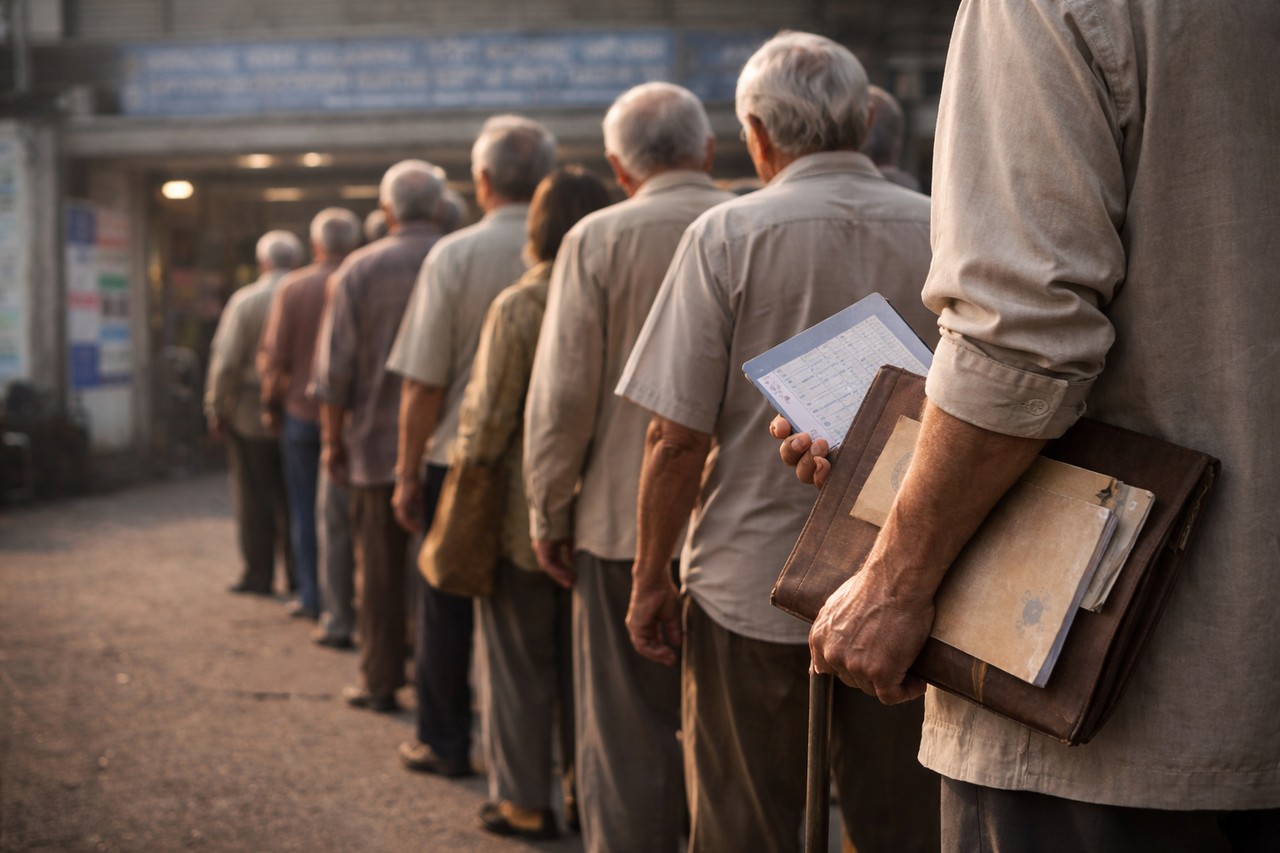
Aging populations, unfunded liabilities, and the fiscal arithmetic that forces benefit cuts or tax hikes.
Food insecurity and price shocks linger after the 2023-2024 event. Harvests recover slowly, budgets adjust painfully.
Rivers, dams, and scarcity politics. Hydro infrastructure becomes diplomatic leverage and domestic flashpoint.
Swapping sovereign debt for conservation commitments. Early deals show promise, but scale remains uncertain.

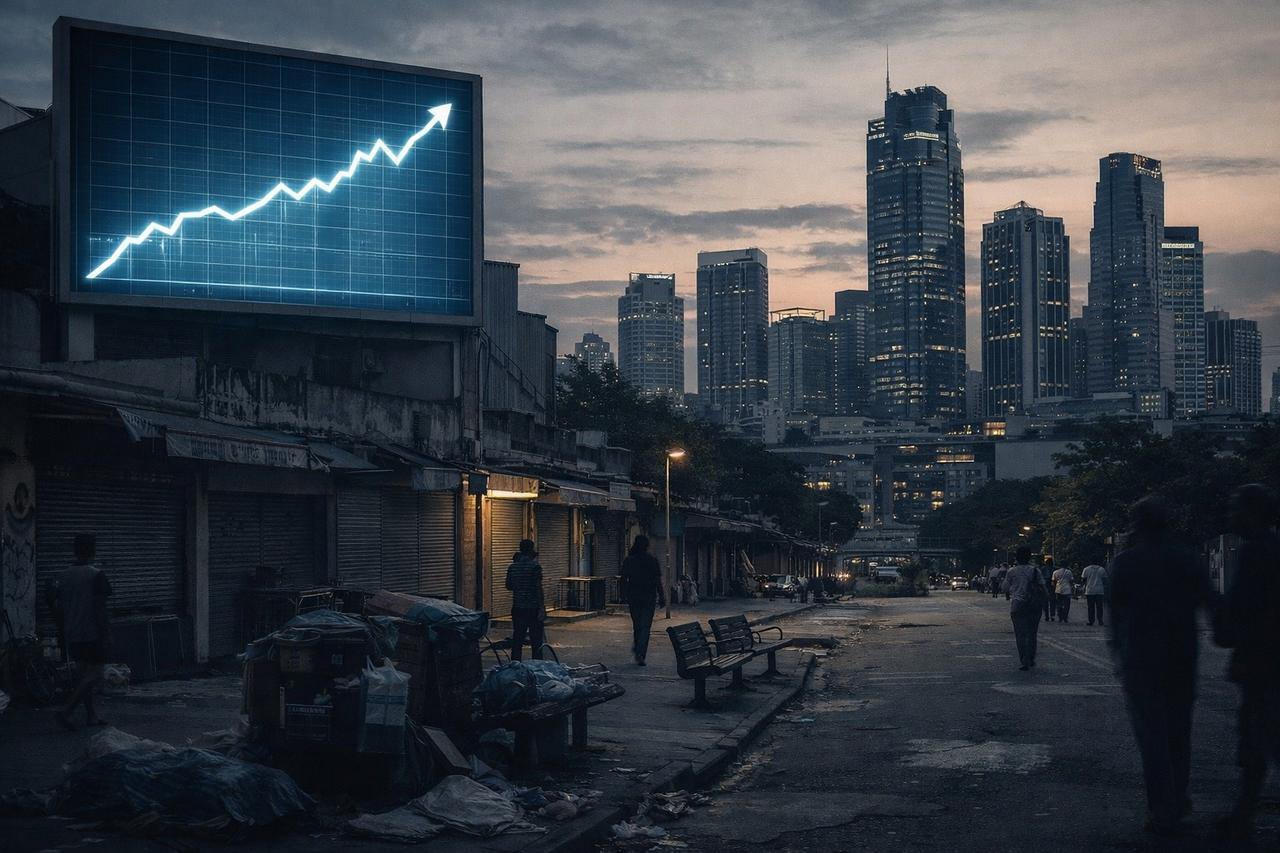
GDP rises but living standards stagnate. Why headline numbers no longer buy political legitimacy in emerging markets.

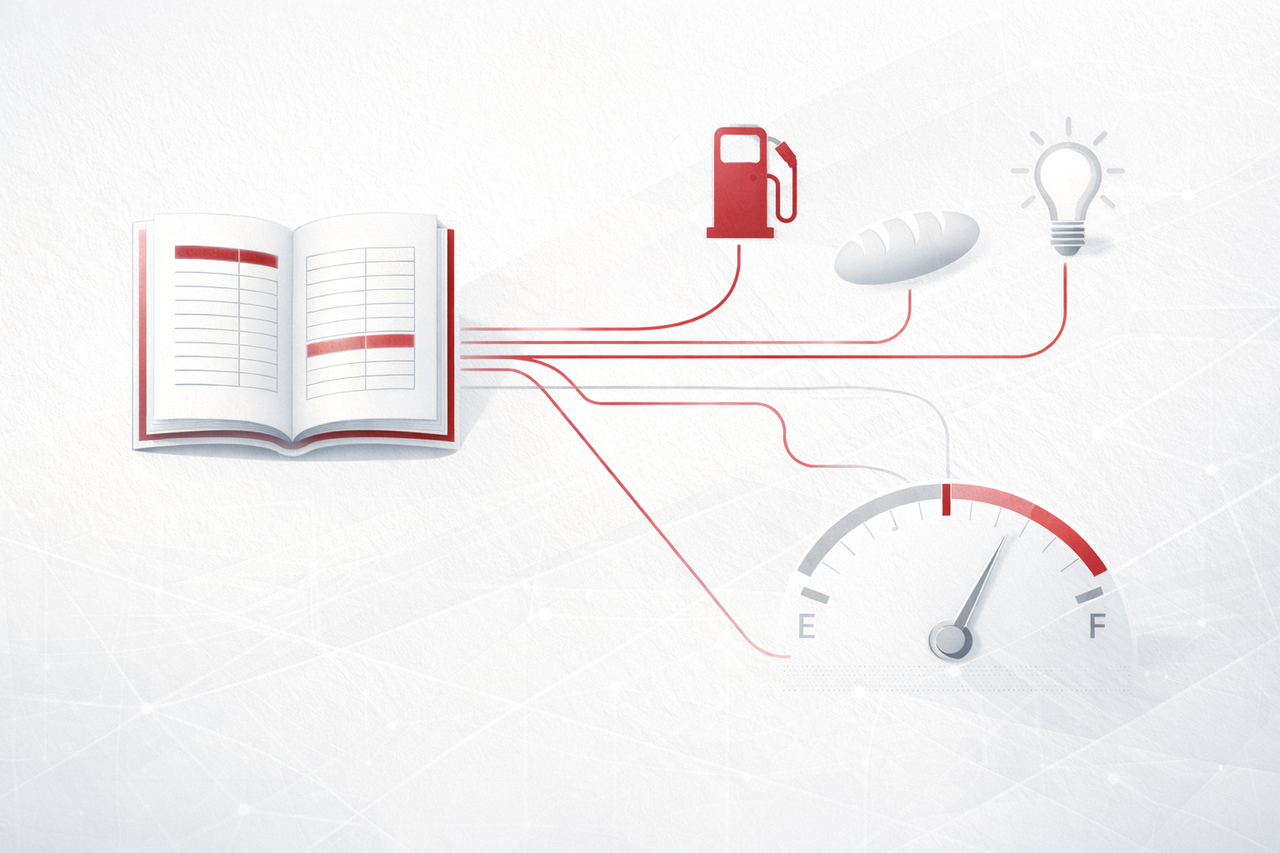
Fuel, food and power subsidies protect voters but drain reserves and weaken currencies. The political economy of removal.

Fashion, film, and creative industries emerge as economic drivers beyond commodities and cheap labour.