








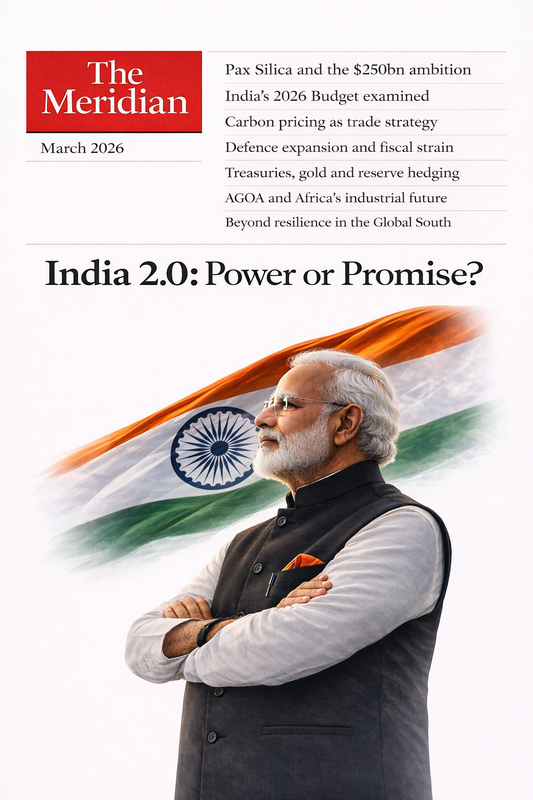
A Note from the Editor
An introduction to the March 2026 issue — why India now sits at the centre of several Global South questions at once, and why this edition focuses on structure rather than headline optimism.
Read the letter →








An introduction to the March 2026 issue — why India now sits at the centre of several Global South questions at once, and why this edition focuses on structure rather than headline optimism.
Read the letter →

India commands the world’s attention, but between the promise and the structural realities lies a gap analysts can no longer ignore.
Growth without capable mid-tier execution remains one of the central institutional gaps beneath the India narrative.
A line-by-line reading of how Delhi is allocating risk, ambition and political intent into the next growth cycle.
African sovereigns face a punishing refinancing calendar at yields that threaten renewed debt stress.
Developing economies are rebuilding policy tools once dismissed as obsolete — with uneven but significant results.
Preferential access has delivered exports, but not necessarily industrial deepening or technological autonomy.
As traditional aid contracts, domestic responsibility and South–South finance return to the centre of development strategy.
Strategic ambition collides with capital allocation, procurement bottlenecks and long-run fiscal trade-offs.

India’s semiconductor push is strategically rational — but policy design and ecosystem depth remain open questions.
India’s developmental paradox lies in trying to scale power without first fully solving basic human capability gaps.
Factory output is rising, but the deeper question is whether India is moving up the value chain or merely assembling at scale.

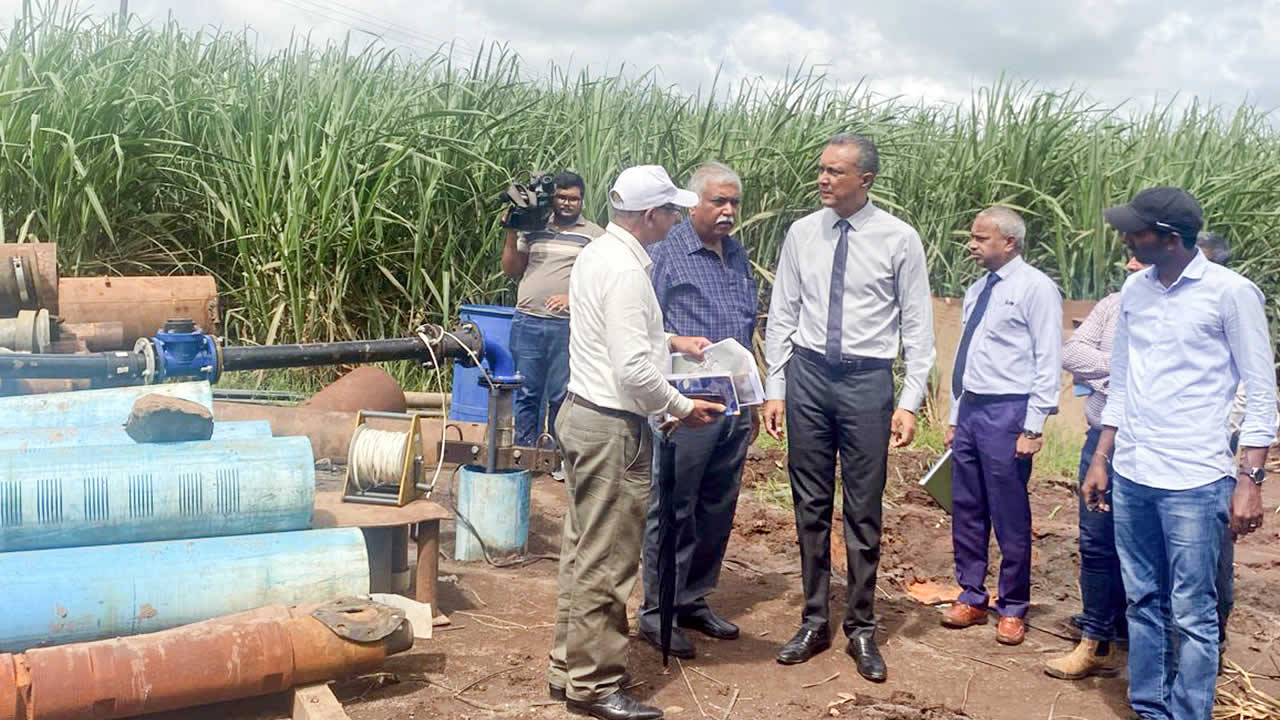
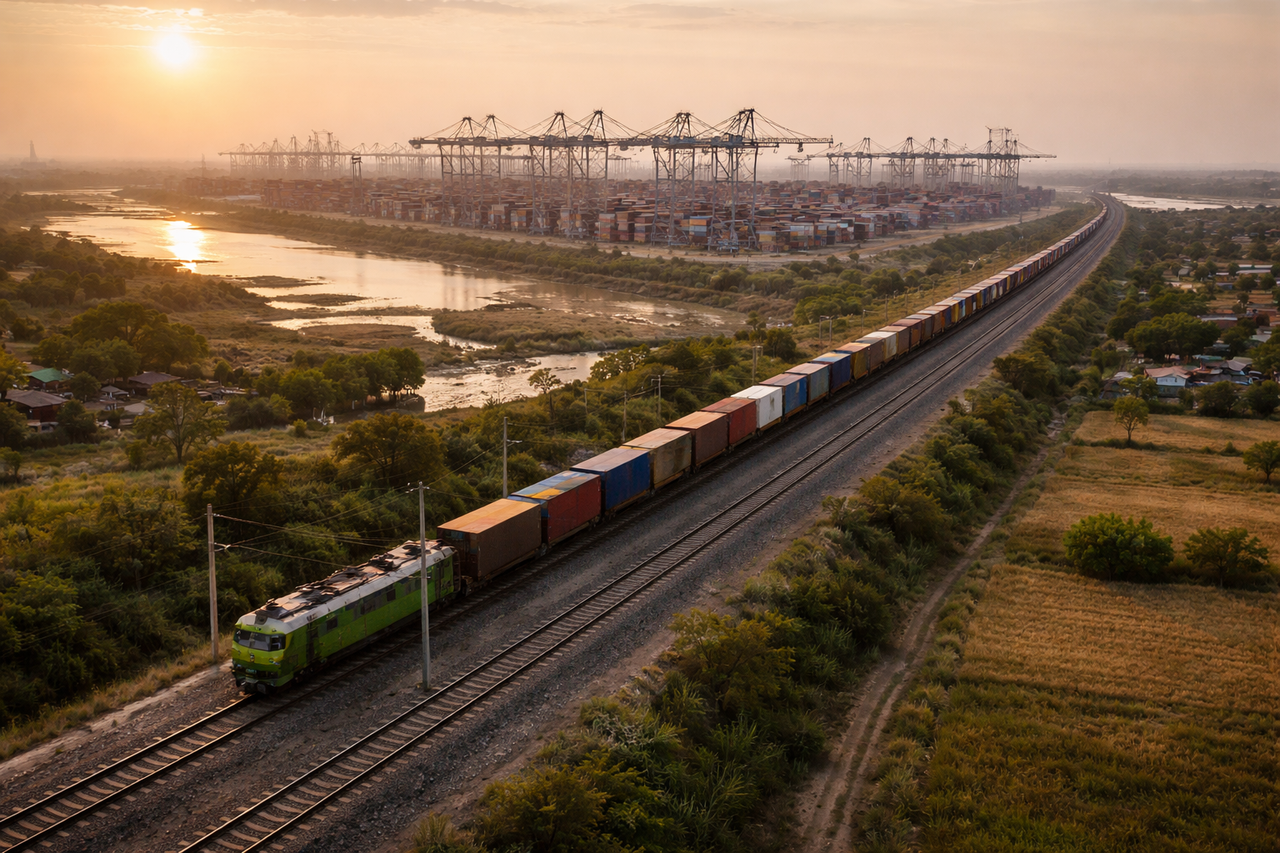
Beneath the India 2.0 story lies a quieter bottleneck of water stress and uneven logistical depth.

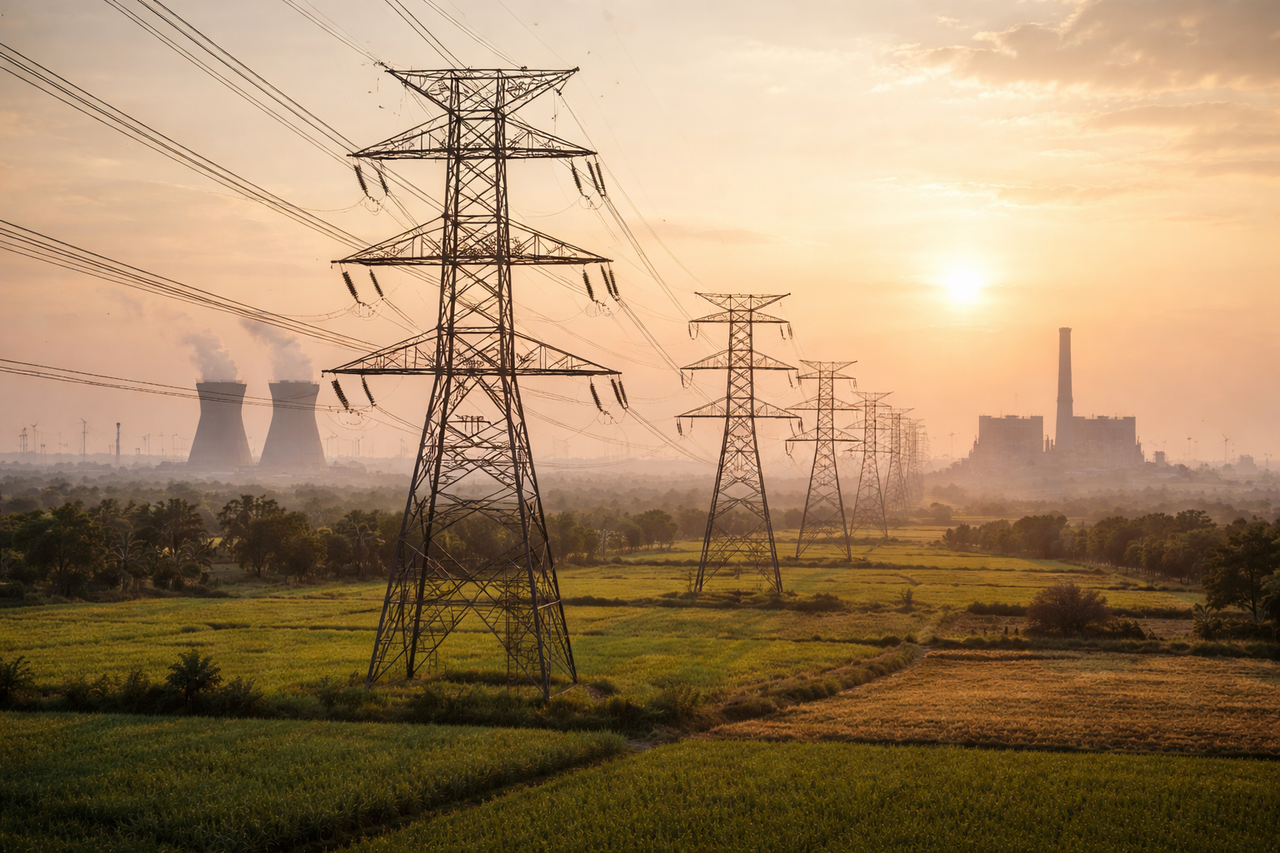
India’s grid must carry not only more power, but far more economic complexity than before.
Industrial ambition rests on upstream inputs India does not fully control, making mineral diplomacy structurally important.

Export scale masks growing exposure to groundwater depletion, monsoon volatility and agricultural strain.
India’s youth bulge is an asset only if jobs, skills and formal absorption can keep pace with demographic reality.

Across the Global South, working-age populations are rising faster than the formal systems meant to employ them.
The emissions logic remains contested, but the trade consequences for Global South exporters are already real.
Carbon policy is increasingly less about climate virtue and more about market access under a new trade regime.
Reserve managers are increasingly treating fragmentation as a portfolio problem rather than a purely geopolitical one.
Fragmentation is creating new openings for industrial strategy, but not all states have equal capacity to exploit them.

The consensus around India’s rise is hardening, but power must still be tested against institutional depth and strategic coherence.
Degree production is not the same as skills depth, and the distinction matters enormously for long-run competitiveness.
Resilience without structural redesign often means returning to the same fragile equilibrium after each shock.
The next macroeconomic order will be shaped by whether developing economies help design it or simply adjust to it.
Economic realism beyond textbooks. A sharper framework for understanding how markets, power and institutions actually work in the world as it is, not as it is described.
A reinterpretation of Keynesian demand management for externally constrained Global South economies operating under balance-of-payments pressure.
The return of the state in economic life has blurred the boundaries between industrial strategy, security spending and financial engineering.