Lagos Minimum Wage, One Year Later: Did It Hold Against Inflation?
Nigeria's federal minimum wage rose from ₦30,000 to ₦70,000 in 2024. Adjusted for real purchasing power, the new wage commands less economic leverage than the old one did before the 2023 currency liberalisation
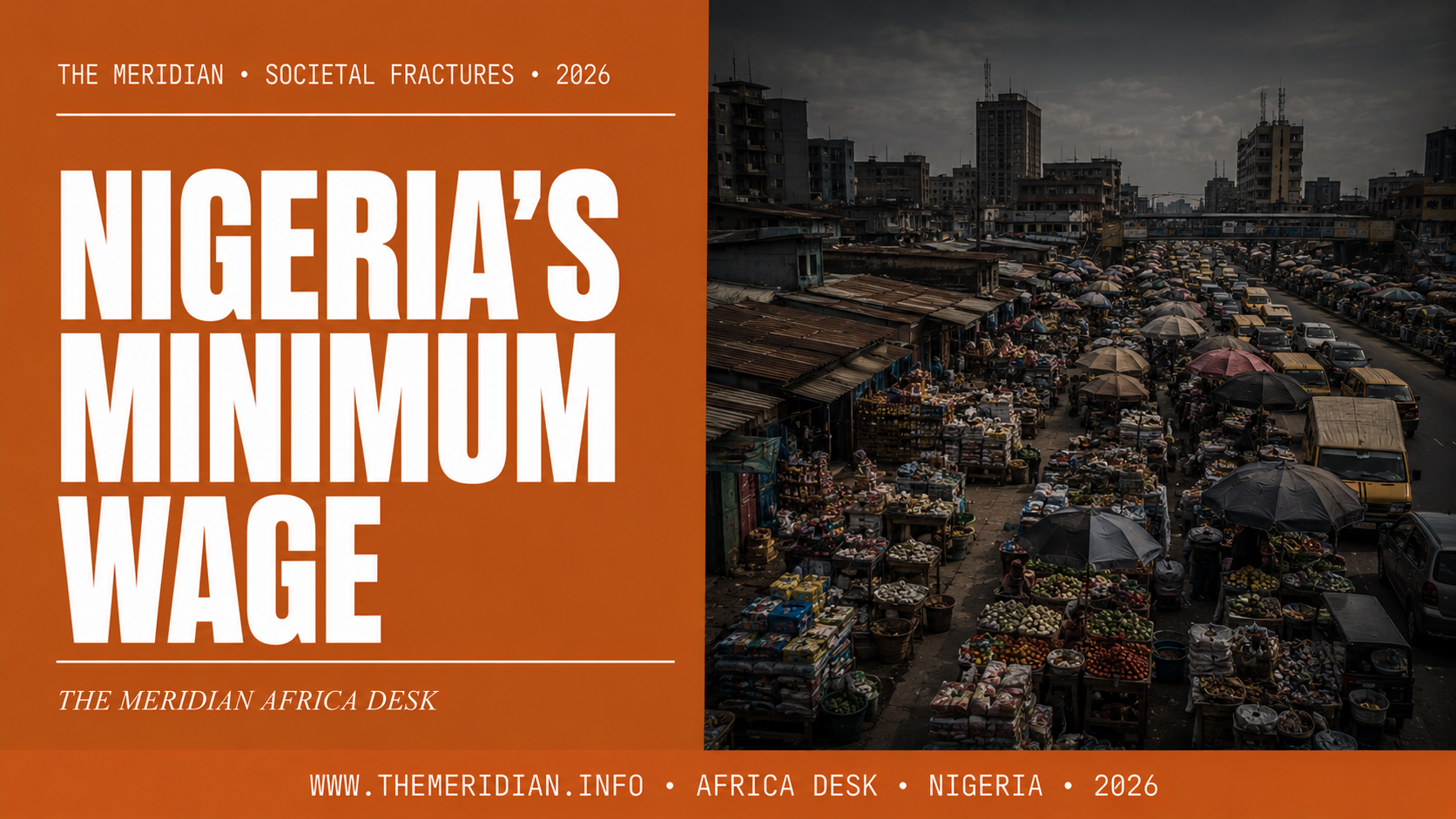
Nigeria's federal minimum wage rose from ₦30,000 to ₦70,000 in 2024. Adjusted for real purchasing power, the new wage commands less economic leverage than the old one did before the 2023 currency liberalisation -- a wage-inflation-FX cycle the IMF says cannot be solved by wage adjustments alone.
₦70,000 sounds like progress against ₦30,000 -- more than double, on paper. The real purchasing power data says something close to the opposite. According to the National Bureau of Statistics, headline inflation in Nigeria remained structurally elevated above 30 per cent throughout the year following the 2024 minimum wage increase, effectively neutralising the nominal income gains for formal sector workers. While the federal statutory baseline was adjusted upward to ₦70,000 monthly, the Central Bank of Nigeria's foreign exchange data indicates that the real dollar value of this compensation sits at approximately $46. When adjusted for domestic purchasing power, this figure demonstrates that a Nigerian minimum wage earner commands less real economic leverage today than they did under the previous ₦30,000 threshold, before the sweeping currency liberalisation of 2023.
This erosion of real wages is a direct mathematical consequence of macroeconomic sequencing that began in mid-2023. The total removal of the domestic petrol subsidy, coupled with the immediate transition to a managed float of the naira, fundamentally altered the country's baseline cost of living. Transport and logistics costs surged, transmitting directly into retail food prices across the national supply chain. The protracted 2024 wage negotiations between the federal government, the organised private sector, and the Nigeria Labour Congress were explicitly designed to offset this specific inflationary shock. World Bank economic updates confirm what the timeline already suggests: adjusting nominal wages after the fact cannot structurally repair household balance sheets when the underlying macroeconomic anchors -- domestic energy costs and the exchange rate -- remain highly volatile. The wage increase arrived to fight a fire that had, by the time it arrived, already spread.
The federal wage mandate also suffers from severe, systemic implementation gaps. Subnational entities with robust internally generated revenue, such as Lagos State, unilaterally implemented a higher ₦85,000 baseline -- a recognition that the federal figure does not reflect the cost of living in Nigeria's largest urban economy. But data from the Nigeria Labour Congress indicates that numerous state governments, and vast segments of the informal private sector, have failed to adopt even the ₦70,000 federal floor, consistently citing a lack of corresponding revenue growth to fund the expanded payroll liabilities. The result is a deeply fragmented national labour market in which the headline number describes, at best, a subset of the workforce -- and even for that subset, a number worth less in real terms than the one it replaced.
This dynamic of nominal wage adjustments being rapidly neutralised by currency depreciation closely mirrors the labour economics of Egypt following its own recent macroeconomic structural adjustments. According to International Monetary Fund data, successive increases in the Egyptian public sector minimum wage throughout 2024 and 2025 were similarly absorbed by rapid domestic inflation stemming directly from the mandated devaluation of the Egyptian pound. In both economies, the comparative data demonstrates the same underlying constraint: statutory wage increases provide real, if temporary, liquidity to households at the moment they are paid, but cannot sustainably restore living standards in the absence of a stable currency and a contained consumer price index. Forward-looking IMF projections suggest that without aggressive monetary tightening and structural foreign exchange stabilisation running alongside any future wage adjustment, the pattern documented here -- a headline increase, consumed within months by the inflation it was meant to answer -- will simply repeat at the next number.
| Source | Relevant Point |
|---|---|
| National Bureau of Statistics, Nigeria | Headline inflation remained structurally elevated above 30% throughout the year following the July 2024 minimum wage increase to ₦70,000. |
| Central Bank of Nigeria | FX data indicates the real dollar value of ₦70,000 is approximately $46; adjusted for purchasing power, this is below the real value of the previous ₦30,000 threshold before the 2023 currency liberalisation. |
| World Bank | Confirms that post-facto nominal wage adjustments cannot structurally repair household balance sheets while domestic energy costs and the exchange rate remain highly volatile. |
| Nigeria Labour Congress (NLC) | Data on state and informal-sector non-adoption of the ₦70,000 federal floor; Lagos State's unilateral ₦85,000 baseline. |
| International Monetary Fund, Article IV Consultations | Projects statutory wage adjustments will remain ineffective without simultaneous monetary tightening and FX stabilisation; comparative data on Egyptian public sector wage increases absorbed by pound devaluation in 2024-2025. |
Add comment
Comments