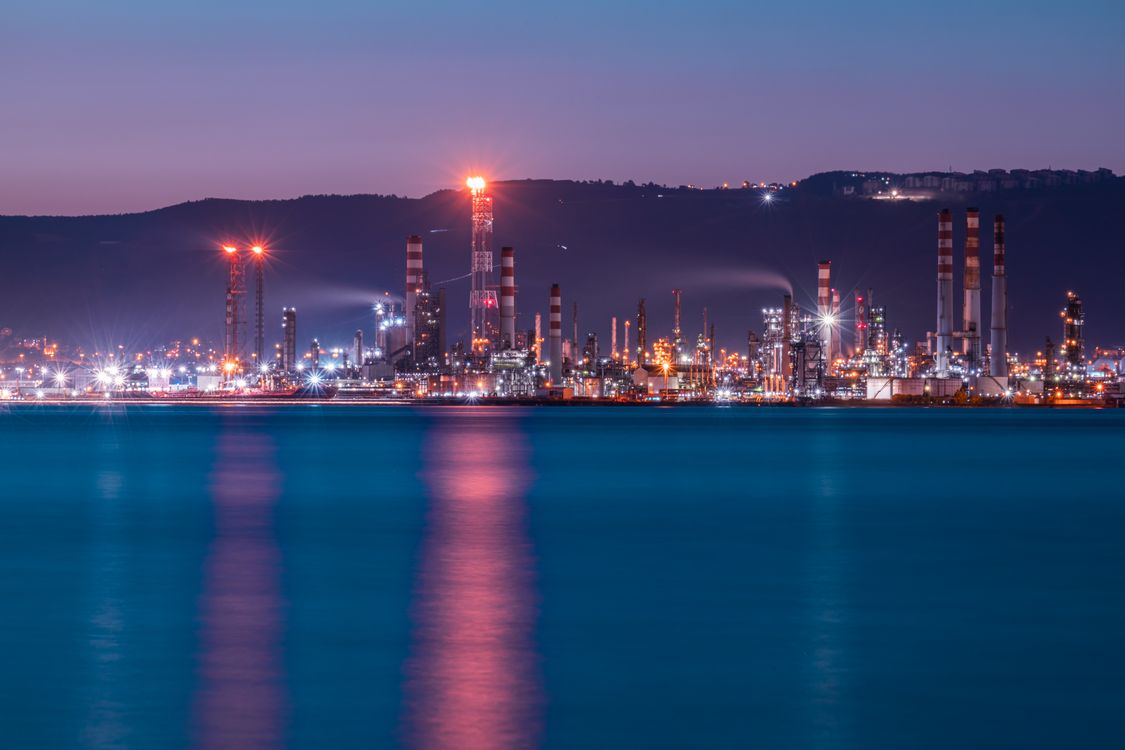
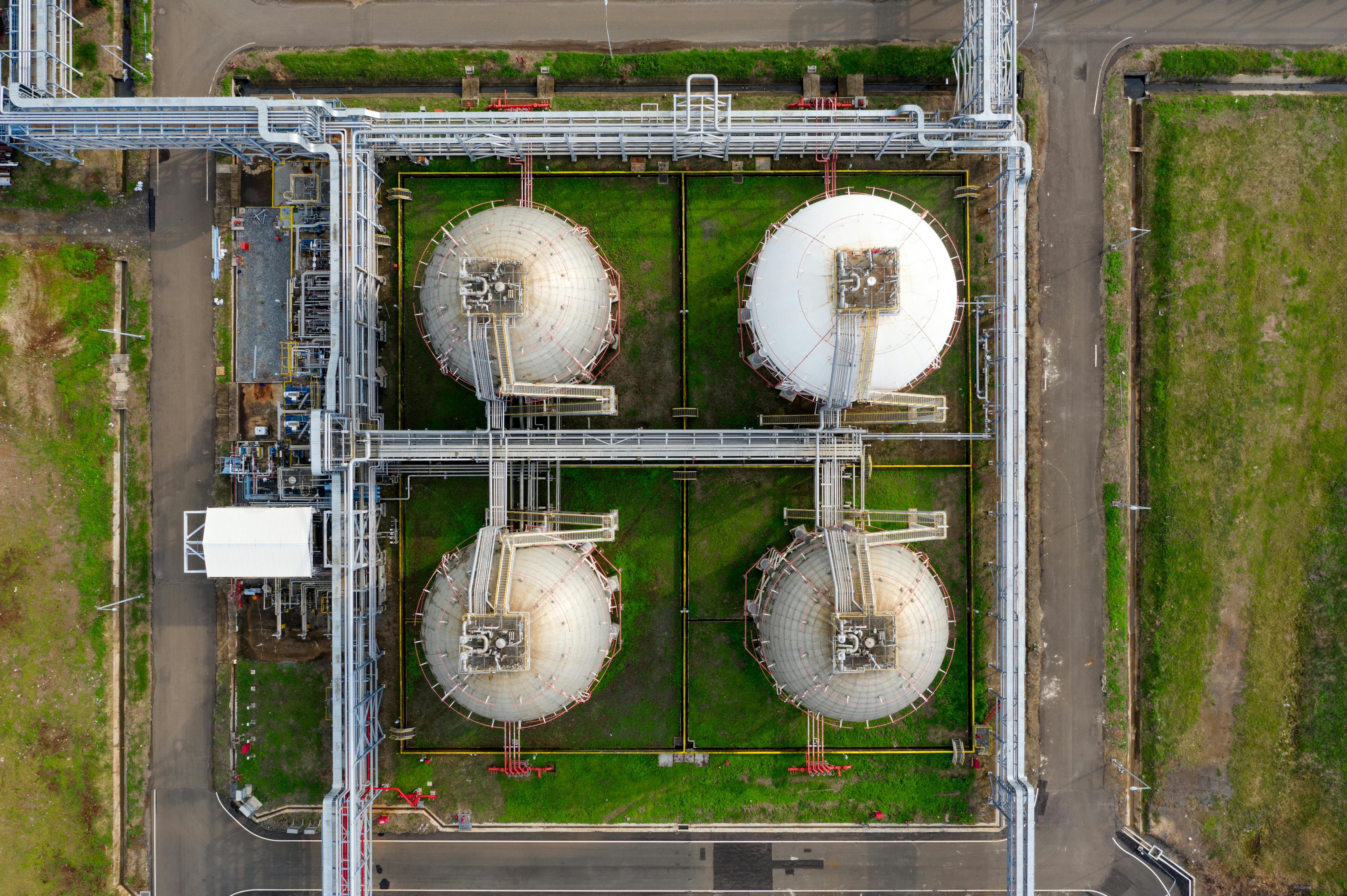
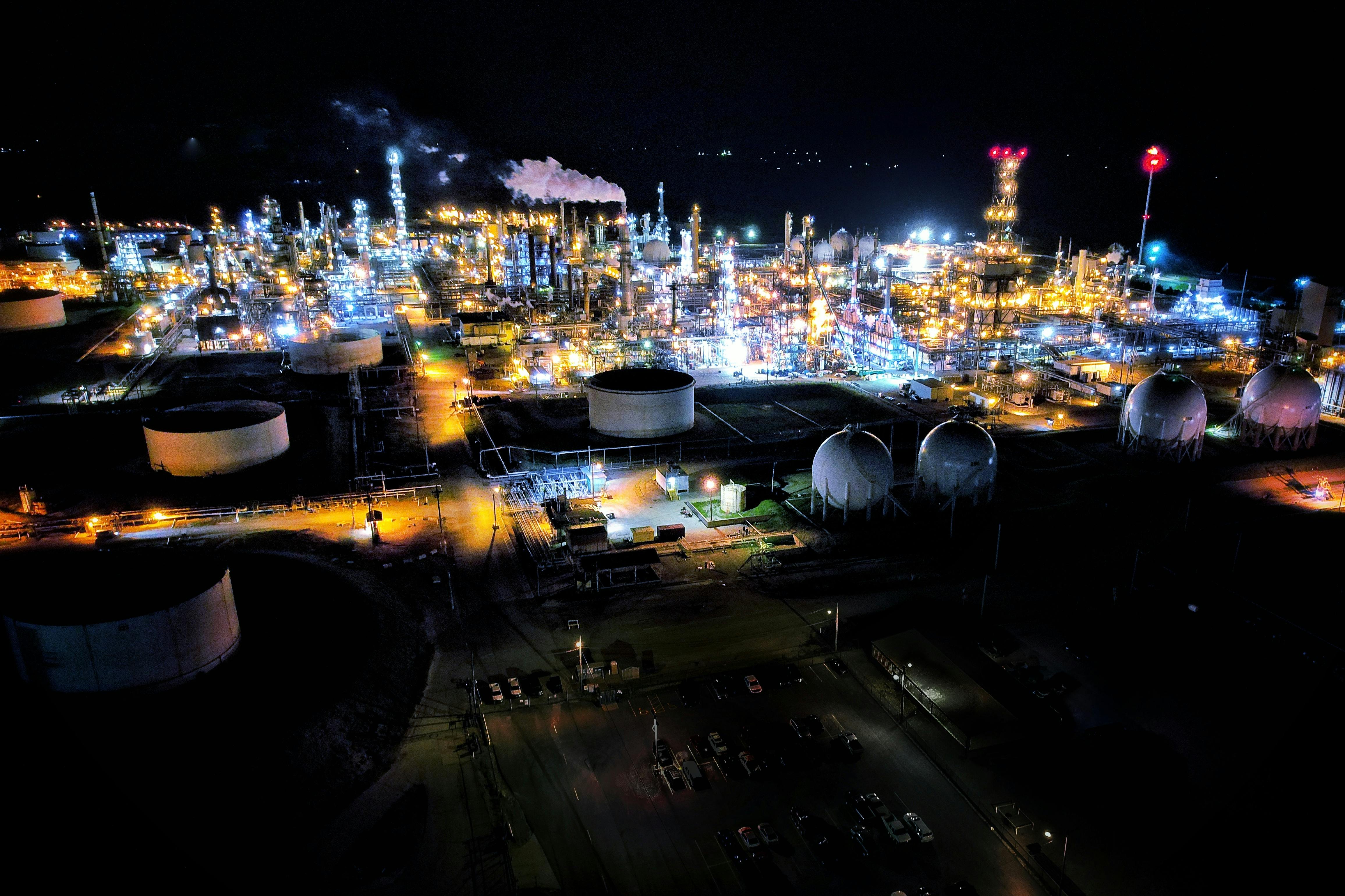















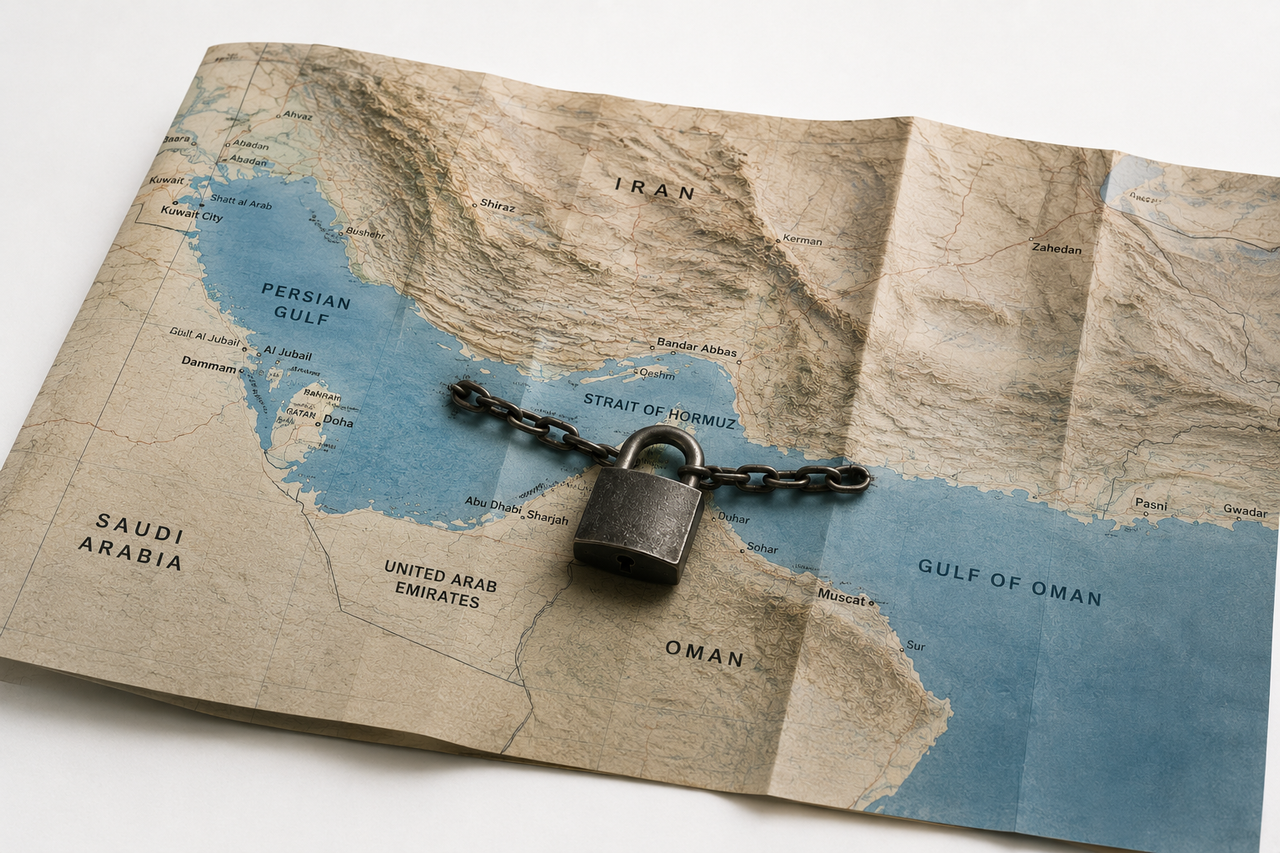
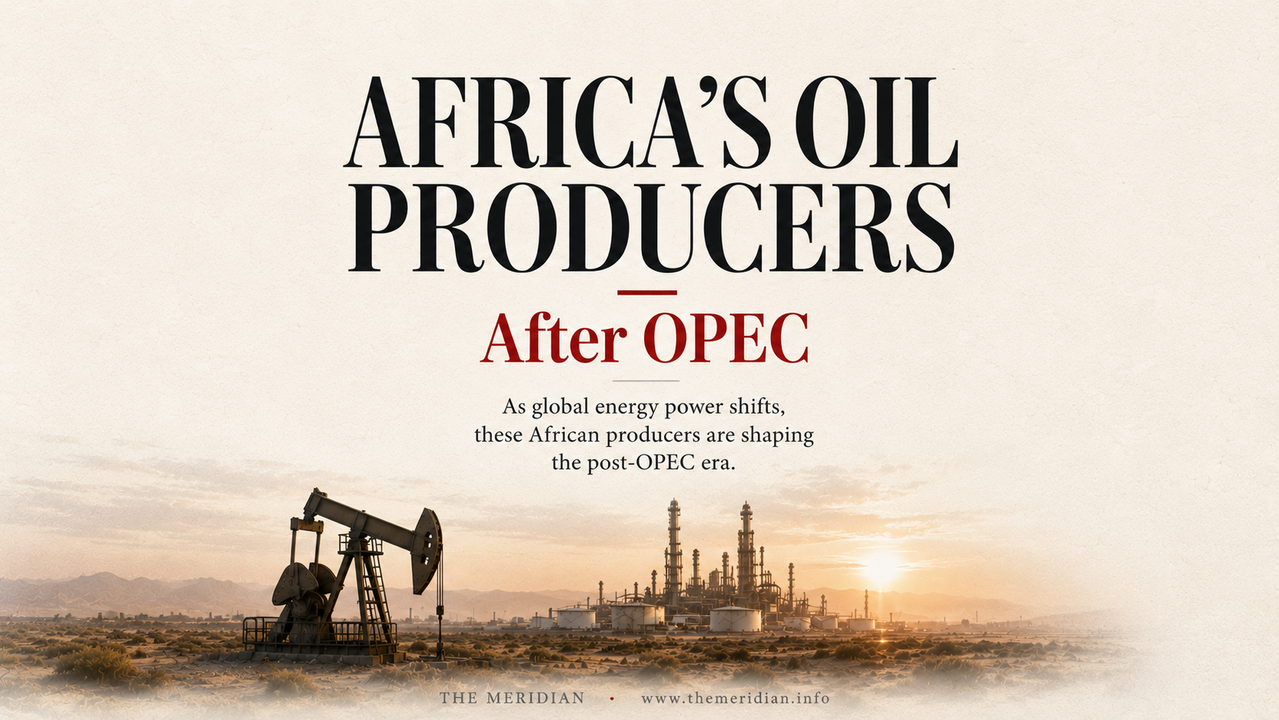



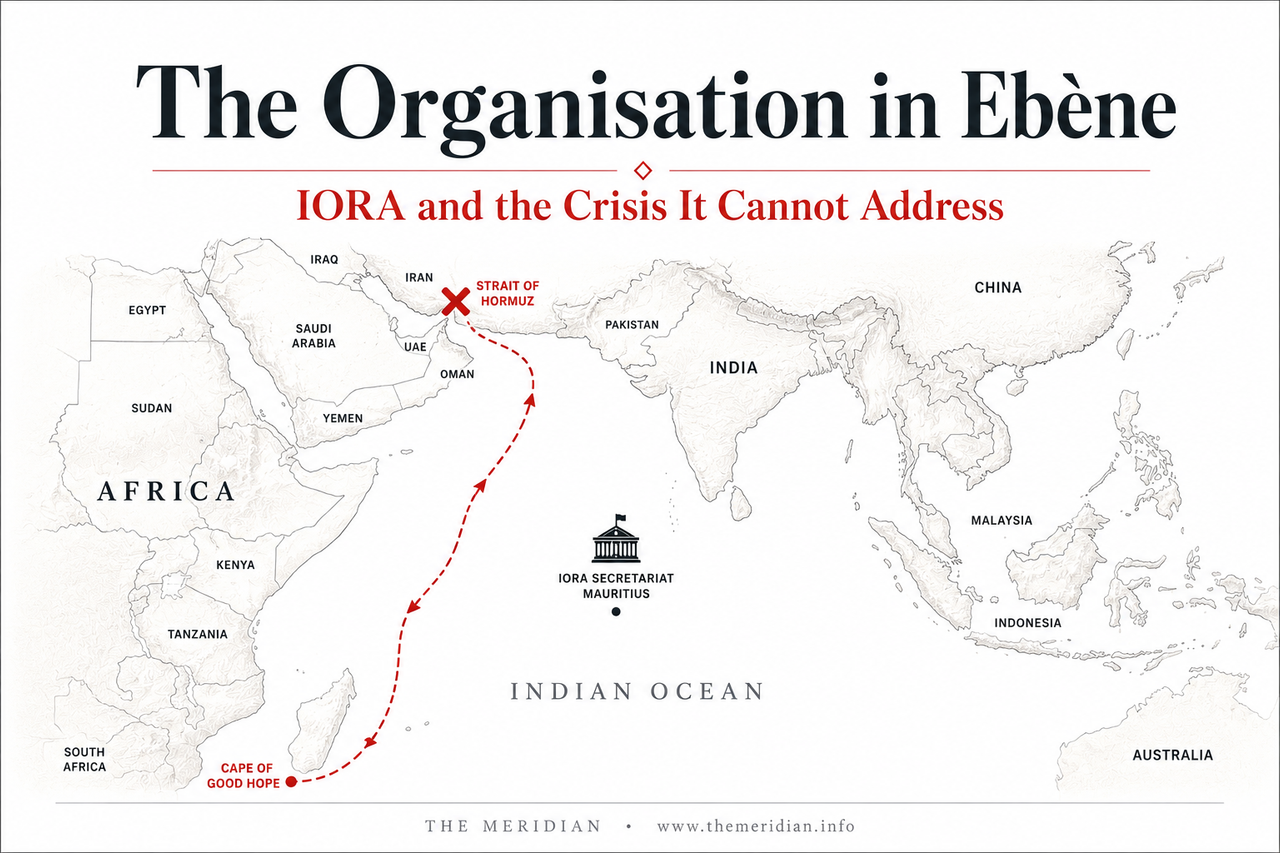










On day 60 of the Iran war, both the United States and Iran are under time pressure, but of different kinds. Iran faces an acute geological crisis that goes beyond the military and political dimensions of the conflict. Kharg Island, which handles approximately 90 per cent of Iran's crude oil exports, is approaching its storage capacity limits as the Strait of Hormuz closure prevents export. This creates a danger that is structural and potentially permanent.
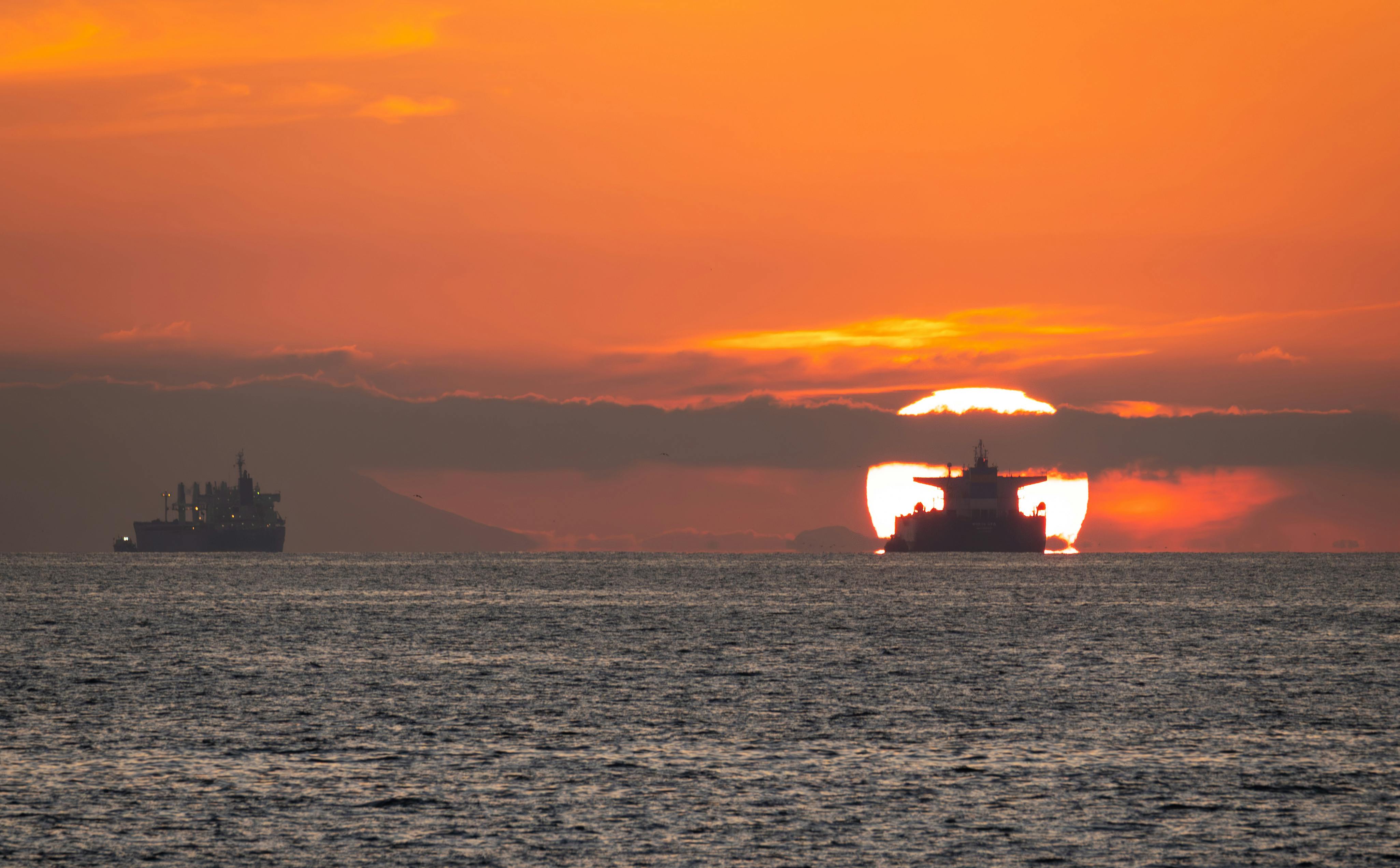
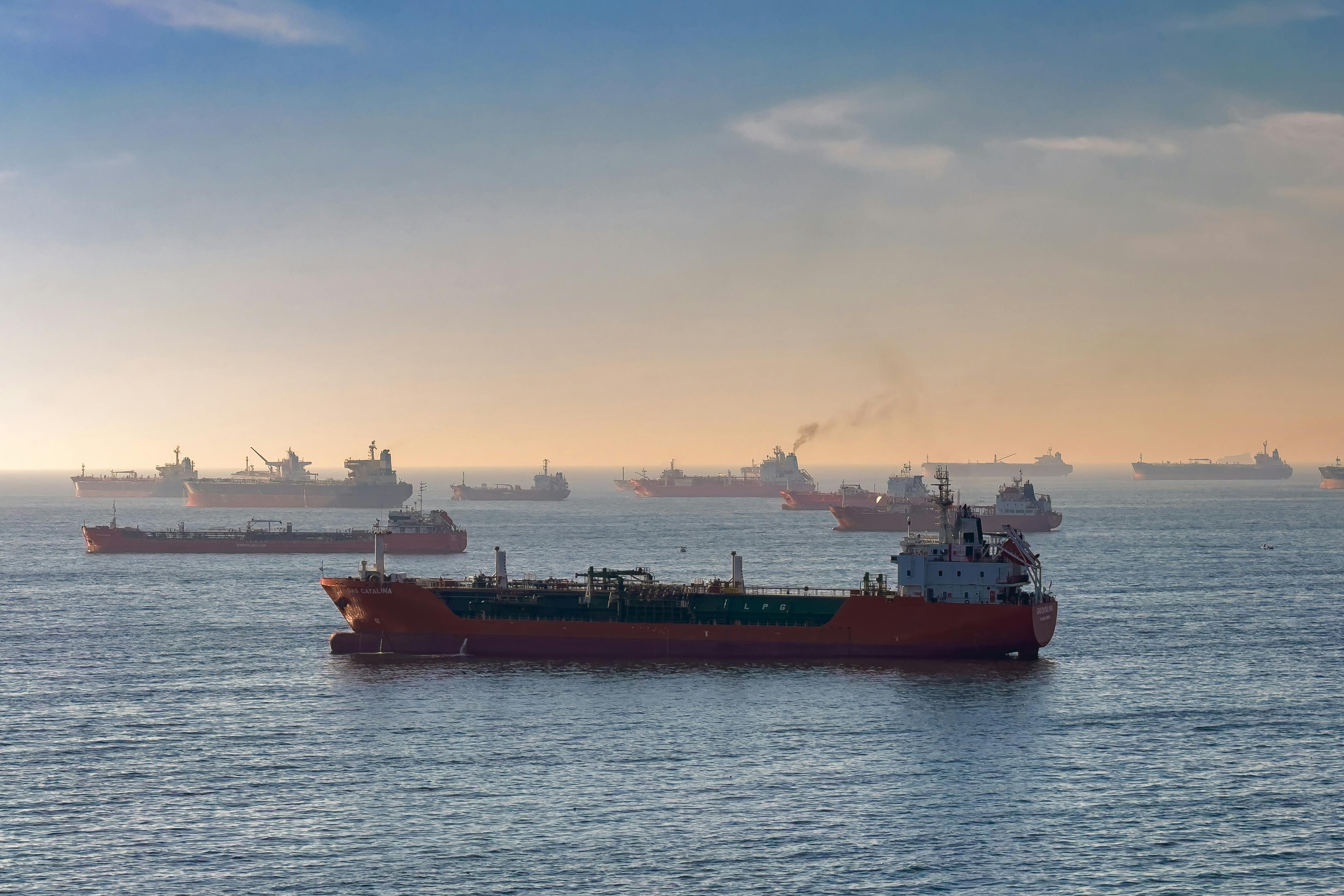
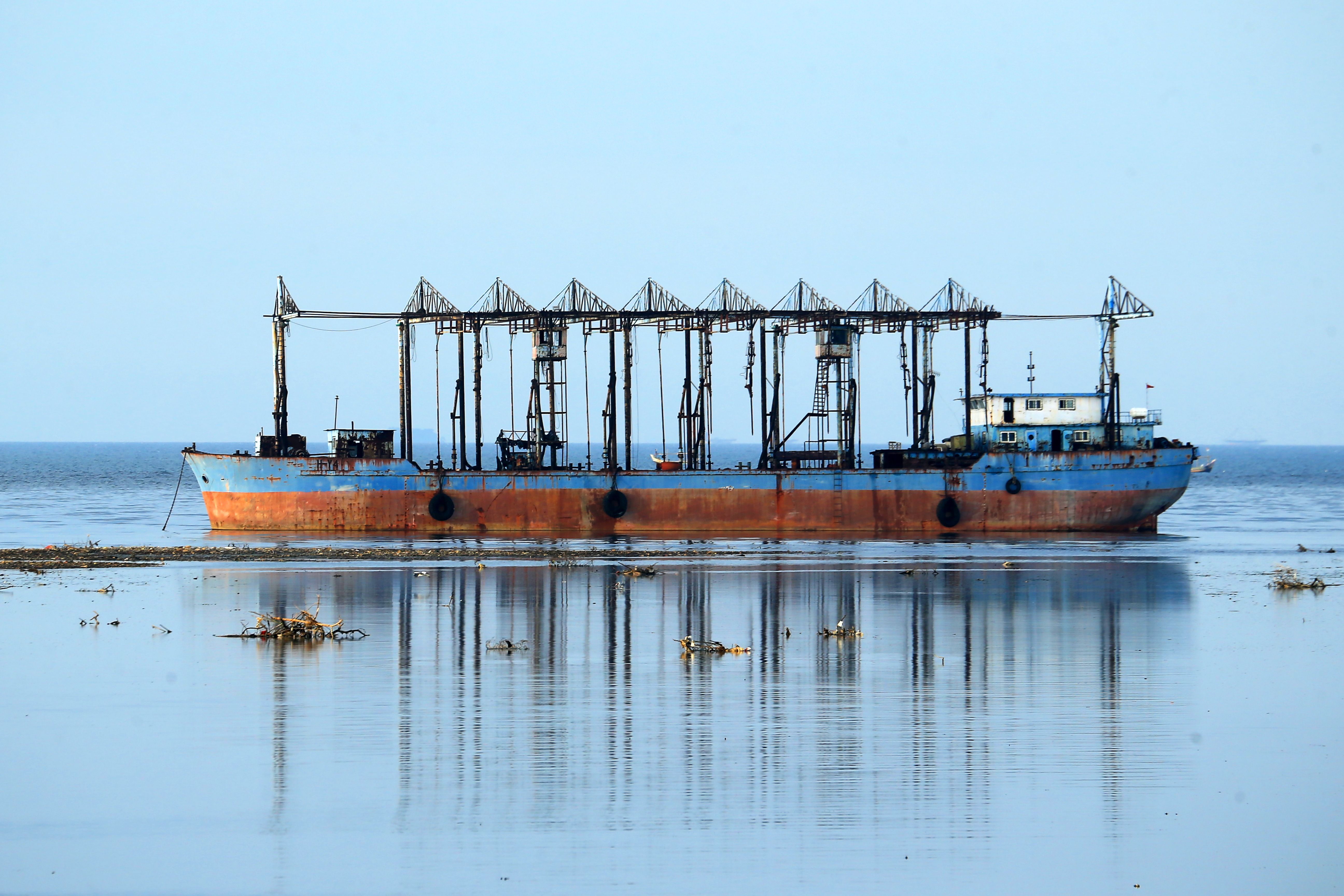
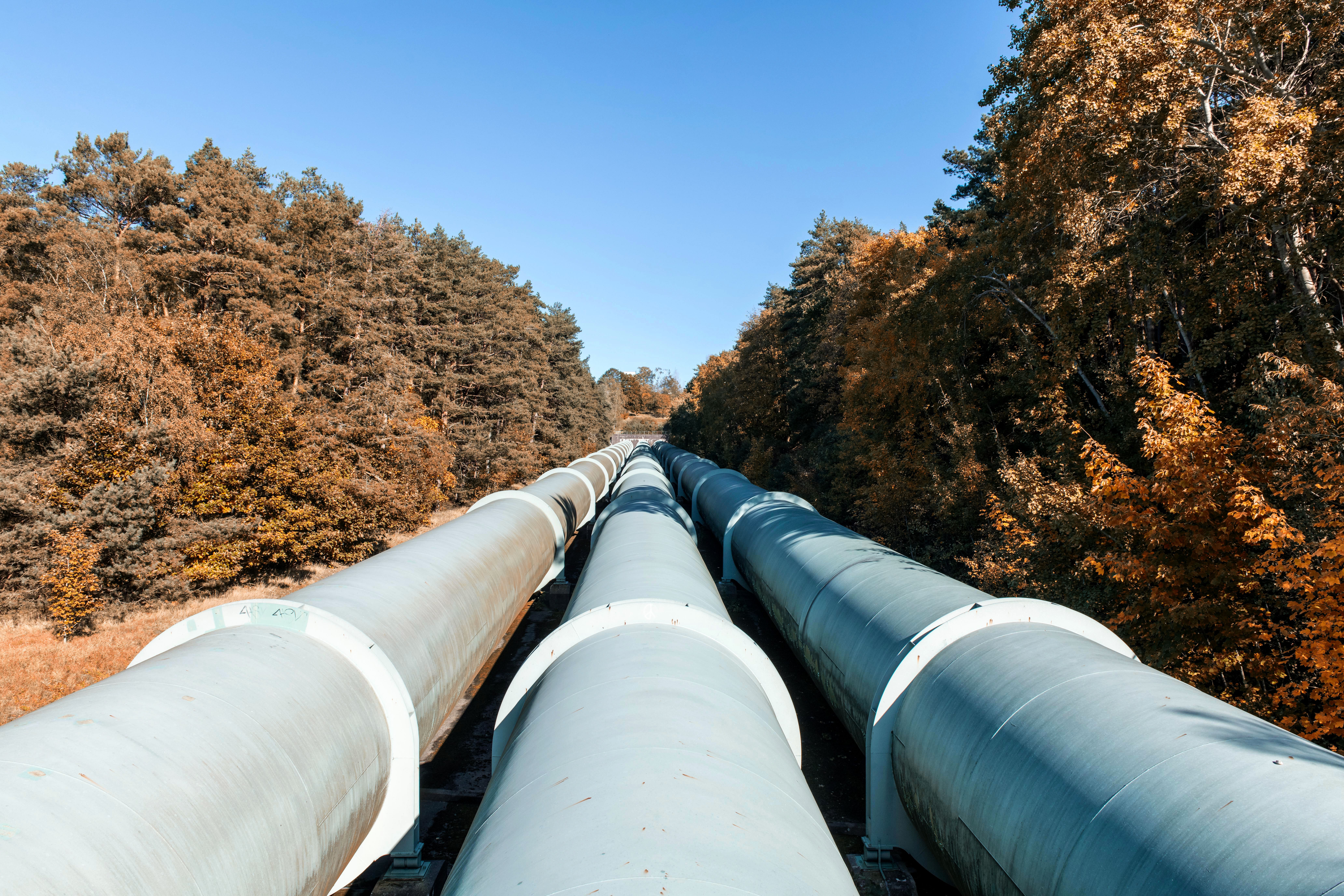
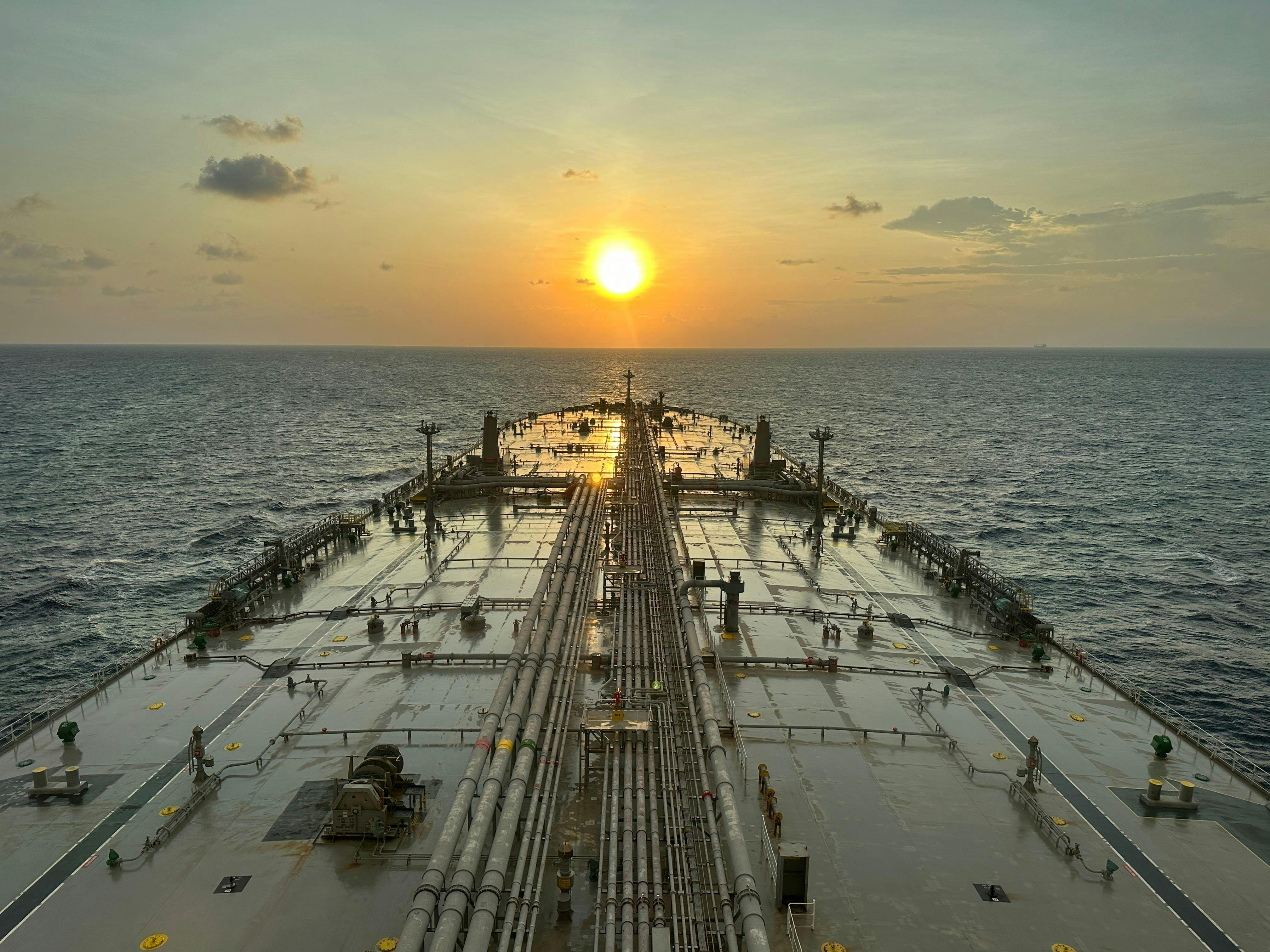
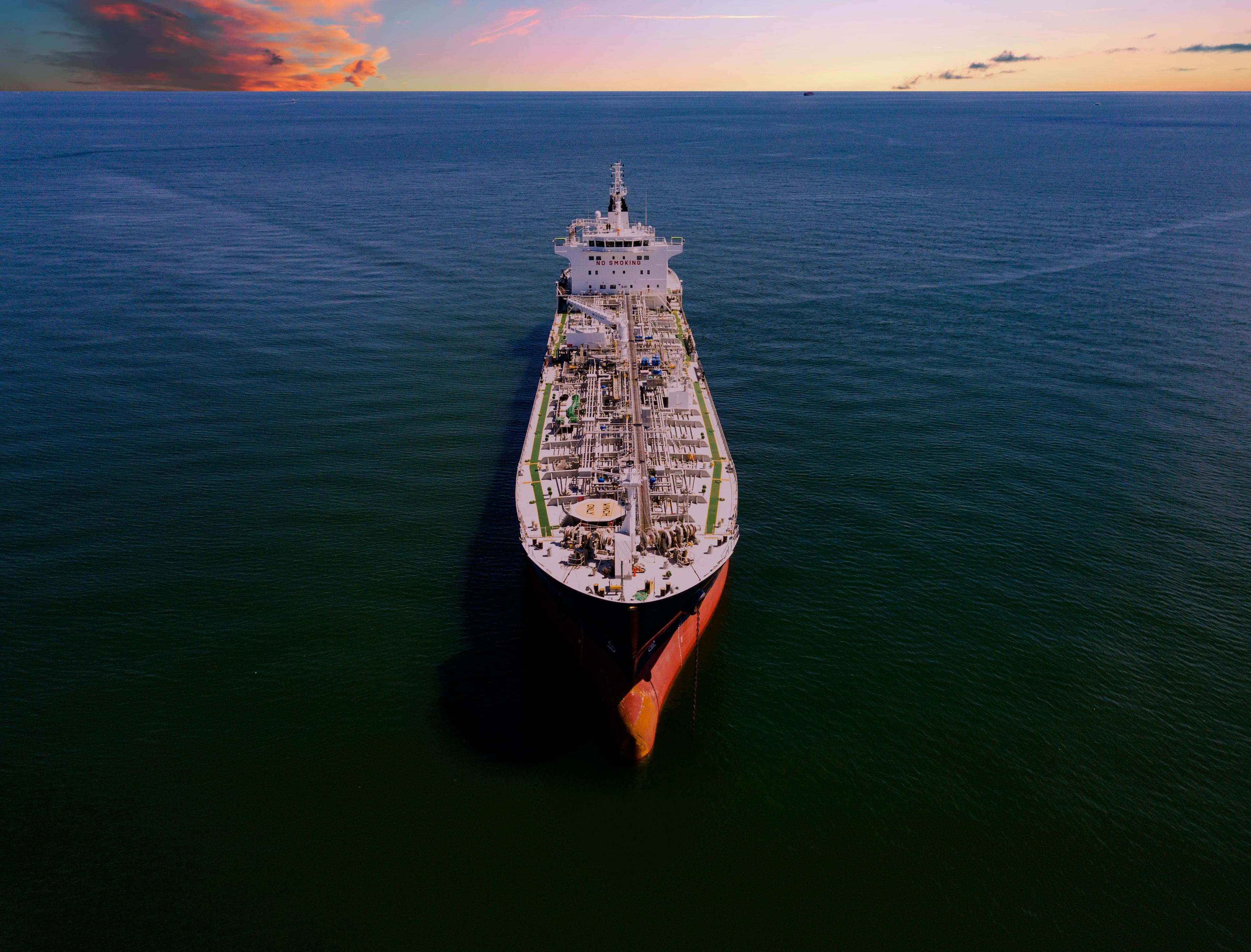
Oil wells cannot be simply turned off. The natural pressure of gas and water in a reservoir drives crude continuously toward the surface through pipelines and pumping stations to the export terminal. If storage fills completely, pressure builds back toward the wellhead. The consequences include wellhead destruction, reservoir contamination through chemical and sediment separation, and permanent loss of productive capacity. Independent analysts estimate Iran has between 3,500 and 4,000 operating oil wells across 78 producing fields. If storage fills completely, up to half could suffer irreparable damage, reducing Iranian output for years regardless of how the war ends. Satellite imagery has already confirmed Iran is using tankers as improvised floating storage and deploying unorthodox means to manage the overflow.
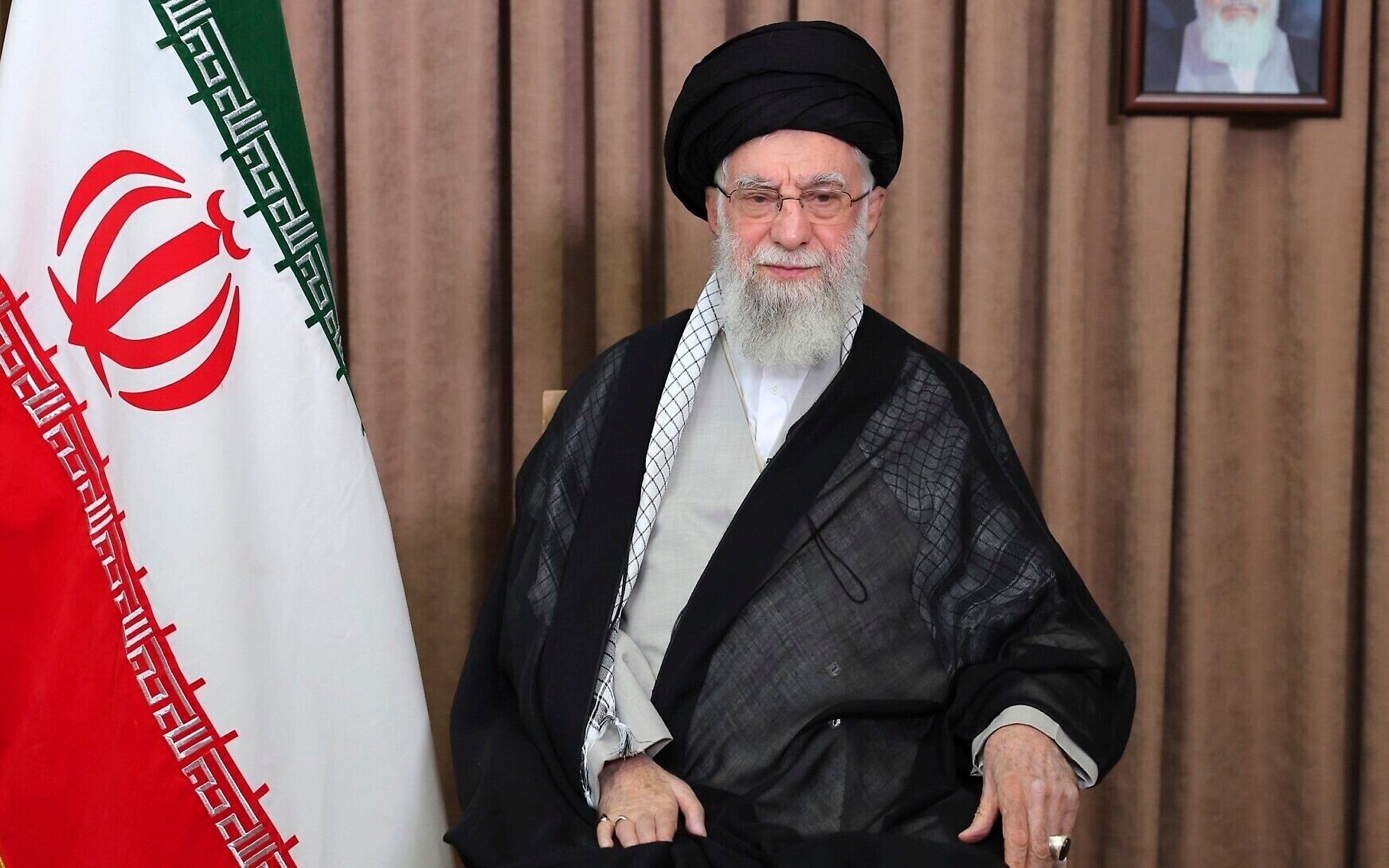
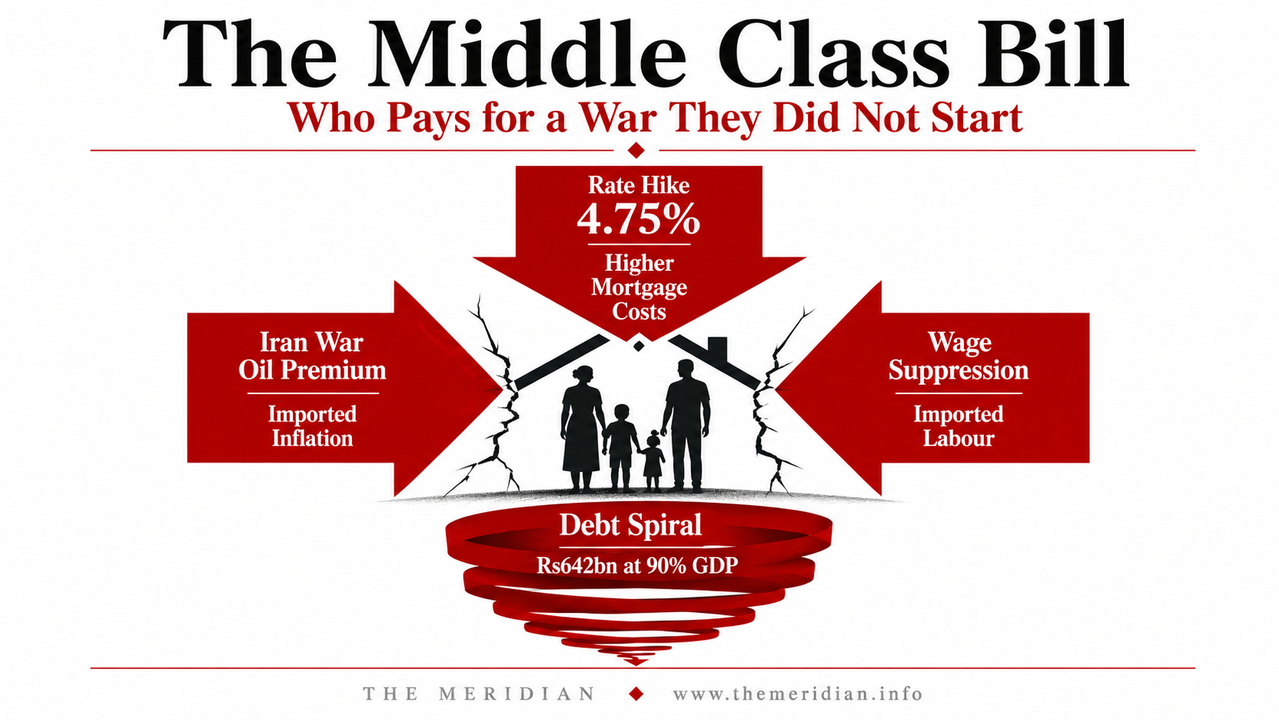
The United States faces a different clock: political pressure from inflation, the world economy and domestic electoral concerns. Iran's clock is geological and ticking louder, but whether the hardline leadership in Tehran hears it at the required volume remains, as of today, the central uncertainty of the conflict.